Leftover food is easier to handle when suitable containers and a clear plan exist before the guests arrive. Prepare for a realistic amount without treating every remaining dish as something that must be kept. The right decisions follow appropriate food-safety guidance, individual needs, and the storage you actually have.
Estimate from the menu
Look at the planned quantities and the foods being served. Keep the menu proportionate to the group rather than deliberately overcooking to guarantee leftovers. A container plan is useful preparation, not a reason to increase the amount of food.
Check the requirements of each recipe or product. Different foods may need different handling, and some remaining servings may not be appropriate to store. Use current official guidance rather than assuming the same rule applies to everything on the table.
Check the available storage space
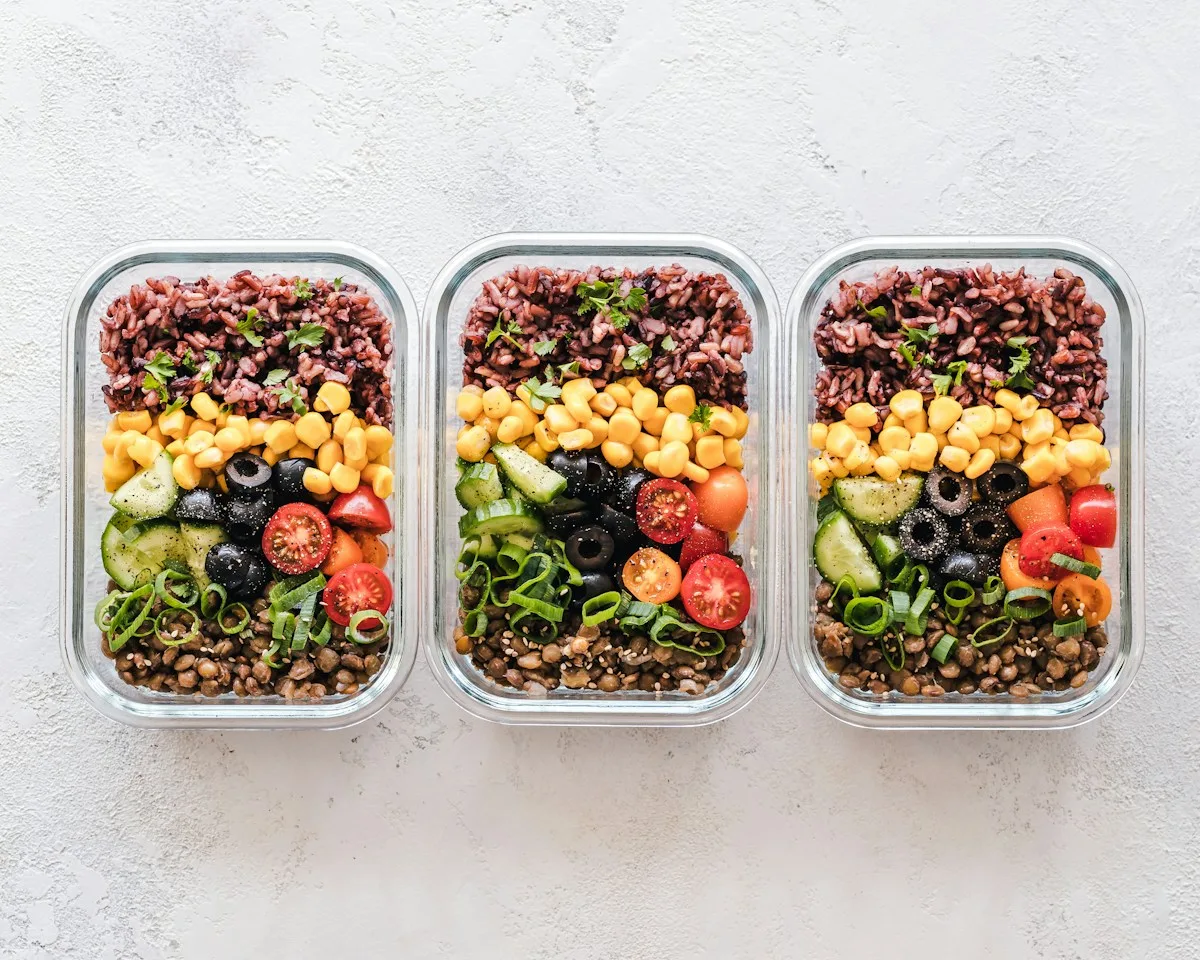
Assess the relevant refrigerator or freezer space before shopping. Avoid purchasing a large new container set when the complete stored footprint will not fit. Use suitable existing containers in good condition where they meet the food's requirements.
Read the exact container's intended use, temperature limits, and care instructions. Lids and seals may differ from the body. Do not infer appliance suitability from a material's appearance or transfer a claim from another product in the range.
Keep the care sequence clear
Follow appropriate guidance for cooking, cooling, storage, and reheating. Have a workable route that does not leave food waiting while the rest of the room is cleaned. The host's attention may be divided, so simple preparation matters.
Label stored food clearly with useful contents and relevant timing information. Keep ingredient details available for anyone who needs them. Avoid anonymous containers that force the household to guess what is inside or how it should be used.
Offer parcels only when appropriate
Ask whether a guest wants food to take and whether their journey supports suitable handling. Do not press a parcel on someone who is going elsewhere or lacks appropriate storage. A generous offer should leave room for a comfortable refusal.
Use suitable packaging and share the necessary care and ingredient information. A guest's agreement to take something does not remove the need for appropriate handling. When the route is unsuitable, choose another lawful appropriate disposal or storage plan.
Put kept food on a wanted meal
Decide the next use according to relevant guidance and the household's plans. Do not store food indefinitely because it came from a celebration. If a repeated menu produces too much, adjust the quantities at the next gathering.
Should every leftover be kept? Assess suitability and storage history. Must guests take parcels? Make the offer optional. Does a sealed lid solve food safety? Follow the food's complete handling requirements.
Our small-buffet guide helps plan the serving stage. The dinner-party guide keeps quantities connected to a realistic occasion.
Planning references: FDA: Safe Food Handling. Confirm current arrangements with the relevant provider.
Where to start browsing
These direct retailer links are a starting point for comparison. Confirm current stock, materials, dimensions, delivery and returns on the retailer's own site. Photographs show lifestyle inspiration, not a specific product being sold.
IKEA serveware ↗
Browse serving pieces and confirm dimensions before buying.
Crate & Barrel cloth napkins ↗
Compare cotton and linen options, sizes and care instructions.