Six people is a lovely dinner-party size: enough conversation to keep the table lively, but few enough that everyone can share one dish. The difficult part is usually finding space for food, glasses, and the host. A successful evening starts with reducing the number of things that need attention at the same time.
Imagine a Friday dinner after a full workday. Two guests arrive early, the oven is occupied, and the kitchen counter also needs to hold drinks. This is the moment when a sensible menu and a few dependable serving pieces matter more than elaborate decorations.
Build the evening around one main dish
Choose a main that can reach the table in one vessel, accompanied by a room-temperature salad and bread. A baked pasta, vegetable tart, or roast with a simple accompaniment can fit this structure. Confirm dietary needs before settling the menu; a shared dish is less relaxing if someone cannot eat it.
Write down which items need the oven, the stovetop, and the refrigerator. If three dishes need the same space at different temperatures, change one. A dessert prepared earlier gives you a cleaner finish than something that needs individual assembly while guests are waiting.
For serving, prioritize a dish you can lift comfortably when full. A large, heavy casserole may be appealing in a photograph but awkward when the table is several steps from the kitchen. Check the manufacturer’s care and heat-use instructions before treating any serving piece as oven-safe.
Decide how food will reach the guests
A table with generous width can support family-style service. On a narrow table, place the main on a sideboard and invite guests to help themselves before sitting. You can still pass bread and a small salad bowl without making everyone negotiate a forest of serving dishes.
| Dinner setup | Helpful purchase | Main tradeoff |
|---|---|---|
| Wide dining table | One shallow serving platter | Needs cupboard space afterward |
| Narrow dining table | Compact tray for a sideboard | Guests leave their seats to serve |
| Very limited kitchen | Nesting prep bowls | Not every bowl needs to look decorative |
Use a water jug that feels balanced in your hand and glasses that fit comfortably beside the plates. Matching wineglasses are optional; enough stable drinkware for the drinks you actually serve is the useful requirement.
Give the host a clear landing place
Reserve one small area for a trivet, serving spoon, and a cloth for spills. This prevents the familiar search for somewhere to put a hot dish. Keep bags and coats away from the service route, and move a spare chair before guests arrive if it blocks the kitchen doorway.
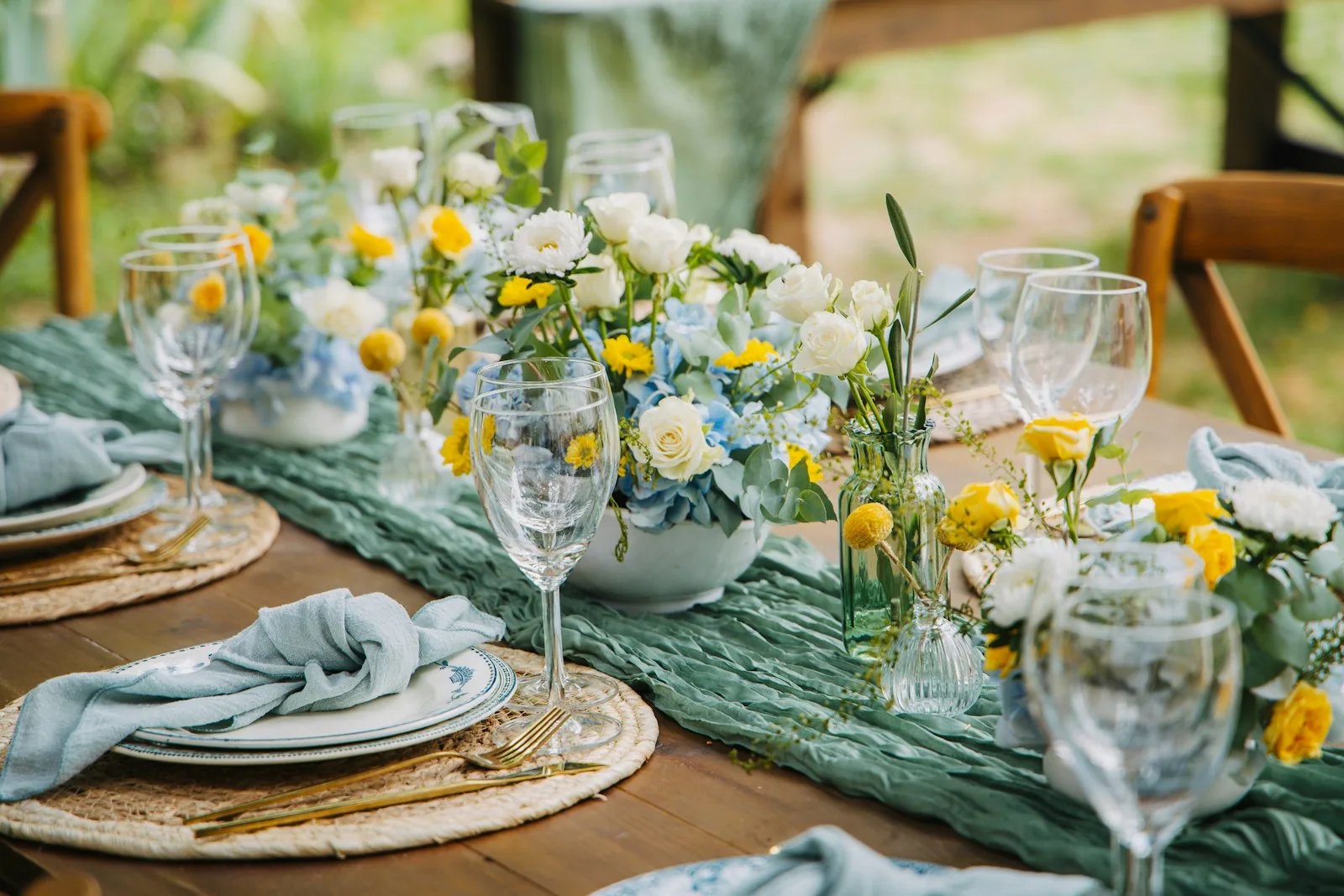
Set the table earlier in the day with plates, cutlery, and napkins. Then sit in each position briefly. Can a guest pull out the chair? Does the centerpiece block a face? Can someone reach water without leaning over another plate? These checks reveal more than buying another decorative item.
Buying checklist
- Count the plates and glasses you already own before buying a full set.
- Measure the table’s free center space with place settings in position.
- Choose serving utensils long enough for the dishes they accompany.
- Check whether new pieces fit your dishwasher and everyday cupboards.
- Buy washable napkins only if you will realistically wash and store them.
- Favor an item that earns a place at weeknight meals as well as parties.
When comparing similar options, consider the whole routine: carrying, serving, cleaning, and storage. A modest platter that fits easily on your shelf can be more valuable than an impressive one that has to live on top of the refrigerator.
What to skip
Skip individual condiment bowls, oversized flower arrangements, and a separate plate for every course unless they serve your menu. They add washing and reduce usable table space. You can make the evening feel considered with a folded napkin and a clear place for each guest.
Do not buy a dinner-party appliance to solve a menu problem you can solve by changing the menu. A second heated dish also means another cord, surface, and cleanup task.
Questions before guests arrive
Do all six place settings need to match?
No. Keep one connecting element, such as white plates or the same napkin color, and allow other pieces to vary. Consistent spacing makes a mixed table feel intentional.
Should drinks be on the dining table?
Keep water within reach, but place bottles and extra glassware on a stable nearby surface if the table is crowded. Avoid a station that blocks the path to the bathroom or kitchen.
For another manageable menu, read simple brunch at home. For the visual finishing touches, see thoughtful table settings.
Where to start browsing
These direct retailer links are a starting point for comparison. Confirm current stock, materials, dimensions, delivery and returns on the retailer's own site. Photographs show lifestyle inspiration, not a specific product being sold.
IKEA serveware ↗
Browse serving pieces and confirm dimensions before buying.
Crate & Barrel cloth napkins ↗
Compare cotton and linen options, sizes and care instructions.