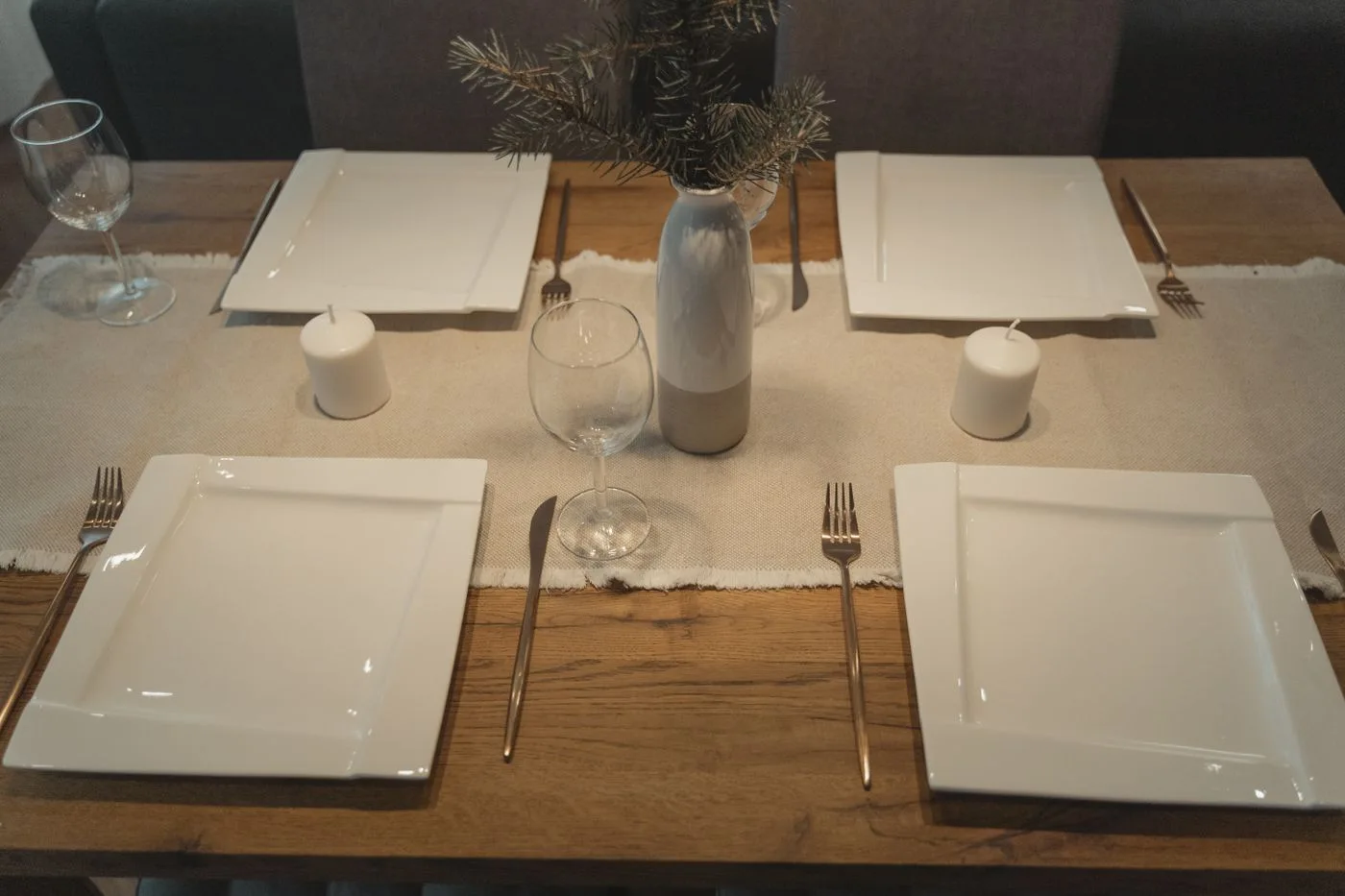
A bring-one-dish gathering works best when contribution is an agreed choice, rather than an invitation that quietly assigns everyone a cooking task. Coordinate a modest menu before guests shop. Clear expectations can prevent five versions of the same dish and a kitchen full of food needing the oven at once.
Ask for agreement first
Explain the format and ask whether each person wants to contribute. Leave an easy way to attend without bringing food. Costs, time, facilities, and individual circumstances differ, and the gathering should not depend on an assumption that everyone can cook.
Discuss relevant allergies and food requirements through appropriate direct communication. Decide how ingredient information will remain available. A shared meal needs clear suitability information rather than broad labels that different people interpret differently.
Assign roles rather than recipes
Agree a small set of meal roles, such as a suitable main contribution, a side, or dessert, while letting contributors choose within the confirmed requirements. Keep the group size and serving quantities realistic.
Identify what the host will provide so the complete meal has a clear shape. Avoid turning the coordination into an elaborate spreadsheet when a concise agreed list is sufficient. Confirm changes through the same ordinary communication route.
Check arrival and equipment needs
Ask each contributor what preparation, storage, or serving they expect at your home. Confirm available facilities before agreeing to a dish that needs them. Several foods requiring different oven settings can exceed a small kitchen's practical capacity.
Follow current official food-safety guidance for preparation, transport, storage, and serving. Each contributor needs an appropriate route from their kitchen to the meal. Do not assume that a closed casserole dish keeps food suitable through any journey.
Keep serving information with the food
Have a clear way to identify dishes and their relevant ingredients without exposing unnecessary personal information. Use suitable utensils and arrangements for the agreed requirements. Seek appropriate guidance where individual needs require more than a general household plan.
Distinguish the food from its container and owner. A small note or ordinary direct conversation can help return the right lid and dish. Do not attach labels in a way that damages materials or interferes with care.
Agree the departure plan
Discuss appropriate handling of any remaining food and the return of containers. Avoid assuming everyone wants to carry leftovers or that the host can store everything. Follow suitable guidance rather than treating the end of the party as an exception.
Must everyone bring something? Make contribution voluntary and clear. Should the host choose every recipe? Agree roles and requirements. Can dishes wait in the car? Use appropriate food-handling guidance for the actual conditions.
Our dinner-party guide helps shape the occupied room. The small-buffet guide considers serving without crowding.
Planning references: FDA: Safe Food Handling. Confirm current arrangements with the relevant provider.
Where to start browsing
These direct retailer links are a starting point for comparison. Confirm current stock, materials, dimensions, delivery and returns on the retailer's own site. Photographs show lifestyle inspiration, not a specific product being sold.
IKEA serveware ↗
Browse serving pieces and confirm dimensions before buying.
Crate & Barrel cloth napkins ↗
Compare cotton and linen options, sizes and care instructions.