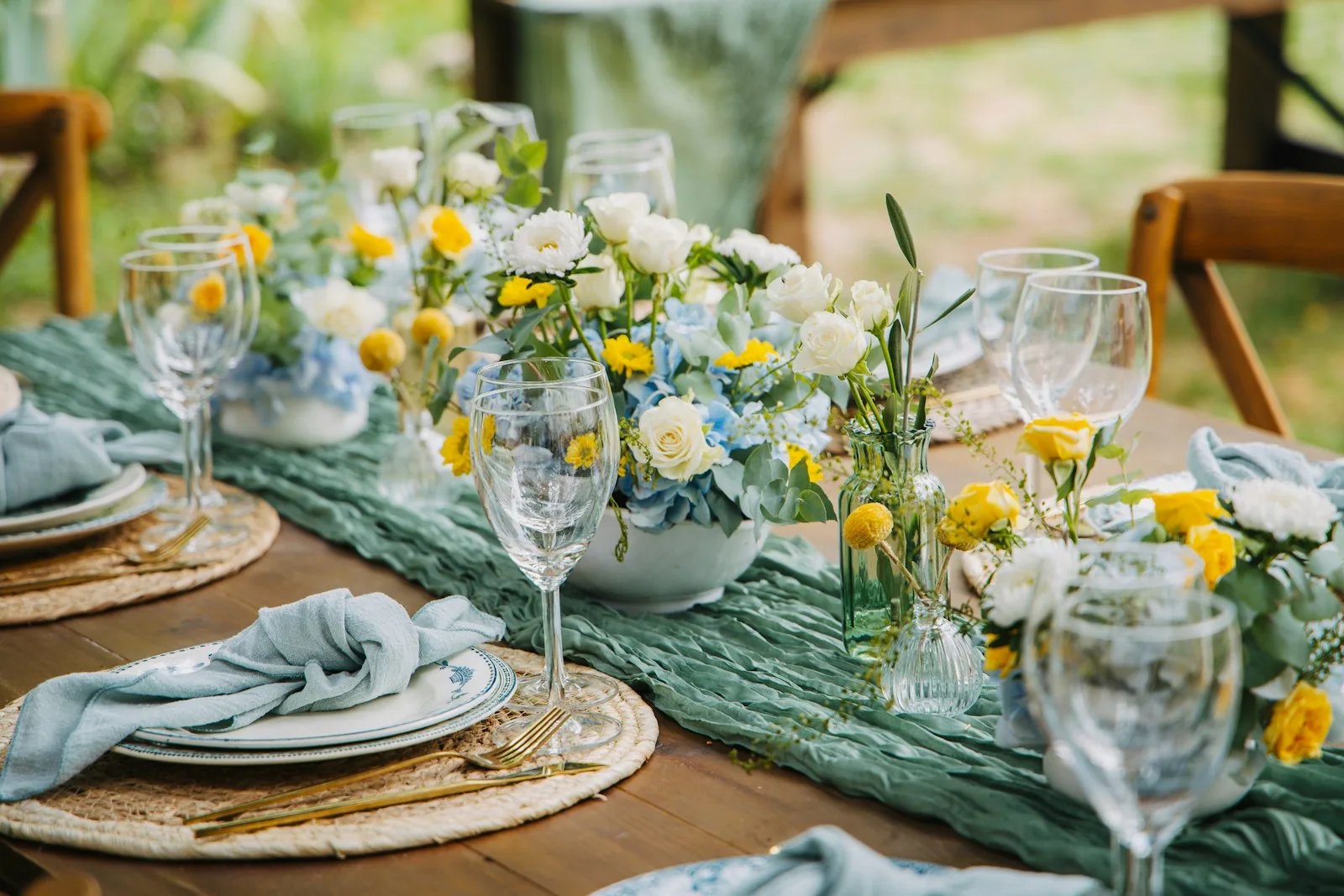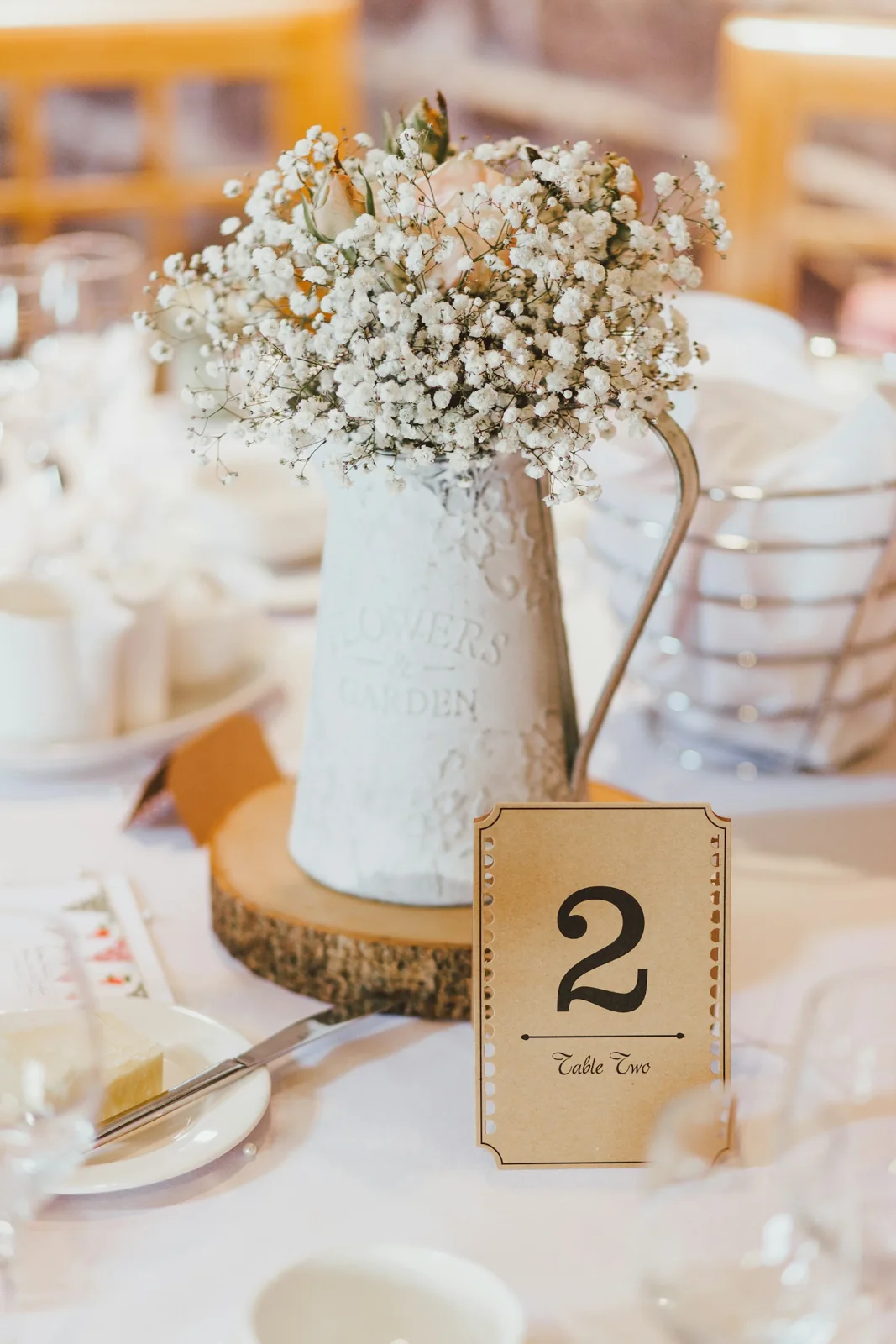
In a small home, a buffet is a traffic problem before it is a styling project. The food might fit neatly on the counter, yet guests still struggle if they cannot see where to begin or find somewhere to put a drink. A good arrangement gives each action a place.
Imagine a birthday lunch in an apartment with a narrow kitchen entrance. The dining table needs to remain available for eating, and the counter is the only serving surface. The aim is to use that counter clearly, without turning the doorway into a queue or balancing dishes on unsuitable furniture.
Walk the route before arranging the food
Start where a guest would collect a plate. Move through the imagined serving line, then toward a seat. If that route crosses the refrigerator door, a hot oven, or the place people are collecting drinks, adjust the setup.
Put plates at the beginning and cutlery at the end. Set the main dish before accompaniments so guests can see how much room they need. Keep sauces beside the food they belong with. A guest should not discover a dressing after walking away with a salad.
Label dishes when the contents are not apparent and provide ingredient information when needed. Ask about dietary requirements in advance. Keep separate utensils with separate foods, and follow appropriate temperature and time guidance for anything perishable.
Choose height carefully
A little height can make food visible, but a tall stand is not automatically a space saver. Its base still occupies the counter, and people may need to reach around it. Use stable, purpose-made serving pieces and keep heavy dishes low.
| Available surface | Best starting arrangement | Watch for |
|---|---|---|
| Long narrow counter | One clear serving direction | Appliance doors crossing the line |
| Short sideboard | Fewer dishes with refills ready | Overcrowding and hidden utensils |
| Dining table edge | Food on one end, seating elsewhere | Guests reaching over seated diners |
Measure usable space rather than the entire piece of furniture. A lamp, outlet, or narrow edge can reduce the area you can safely use. Leave a clear landing spot so someone can set a plate down while serving a difficult dish.
Keep drinks out of the queue
Where possible, place water and other drinks on a separate stable surface. A guest pouring a drink takes longer than a guest collecting a roll; separating those actions keeps the food line moving. Do not place liquids near electrical equipment or above a surface easily damaged by spills.
If there is only one counter, put drinks at the far end and offer to pour as people settle. A large beverage dispenser can be more awkward than a jug because it needs clearance below the tap and enough room for hands and glasses.
Refill smaller bowls instead of displaying all the food at once. Keep the reserve food appropriately stored until it is needed. Smaller serving vessels are easier to carry and can be useful for everyday meals after the gathering.
Buying checklist
- Measure the serving surface and note any doors that swing into it.
- Choose bowls with stable bases and rims that leave room for utensils.
- Check the weight of a tray when carrying it with both hands.
- Compare stackable pieces if cupboard space is tight.
- Make sure serving spoons can rest without falling into the food.
- Use a washable runner only if it stays flat and does not slide.
A plain tray can be especially useful when it has a real job: carrying empty glasses, grouping condiments, or containing crumbs. Buy one for that job rather than assuming every buffet needs several decorative trays.
What to skip
Skip fragile stacked arrangements, tablecloths that trail into a walkway, and decorations between dishes that guests need to reach. Small rooms already have plenty of visual information. An uncluttered serving surface feels welcoming because people can use it easily.
Avoid buying a larger piece of furniture for a single event before trying a simpler menu. Reducing the number of dishes often solves the space problem without creating a storage problem for the rest of the year.
Buffet questions
Can guests serve from both sides of the table?
Only if both sides have enough room to move and the dishes are accessible without reaching across one another. In a narrow room, a single clear route is usually easier.
Do I need special buffet plates?
No. Use sturdy plates suited to the food. Very small plates may encourage repeated trips, while oversized plates can be awkward to carry in a crowded room.
Plan a full meal with dinner for six or adapt these ideas to simple brunch.
Where to start browsing
These direct retailer links are a starting point for comparison. Confirm current stock, materials, dimensions, delivery and returns on the retailer's own site. Photographs show lifestyle inspiration, not a specific product being sold.
IKEA serveware ↗
Browse serving pieces and confirm dimensions before buying.
Crate & Barrel cloth napkins ↗
Compare cotton and linen options, sizes and care instructions.