A shared takeaway meal can simplify an evening at home, provided the ordering is actually shared in understanding. Gather named choices, keep important requirements clear and let one person place the agreed order. The aim is to avoid duplicated dishes, missing meals and a last-minute collection of assumptions. An easy dinner still benefits from a small amount of coordination before anyone presses the order button.
Agree on the meal arrangement
Decide whether people are choosing individual meals or ordering dishes to share. Those are different plans. A dish someone selected for themselves should not quietly become part of a communal spread, and a shared order needs an understood way to choose enough suitable food. Ask rather than inferring the arrangement from the size of a menu photograph.
Use the provider's current official information for the actual menu, service area, collection or delivery arrangements and stated conditions. Do not assume a remembered item or timing remains available. If an essential detail is unclear, establish it before building the evening around that service.
Collect choices in one current place
Write each person's name beside the exact menu item and any requested option the provider actually offers. Keep revisions in the same list instead of following several separate messages. Ask the person to confirm the final version if a detail changed during the conversation.
Important dietary requirements need proper verification with the provider and the people responsible for them. Do not infer suitability from a dish's name or a photograph. An informal group order is not a substitute for the information needed to make a suitable choice. Leave an unresolved requirement unresolved until the appropriate answer is available.
Name who places and receives the order
Agree who will submit the order and who will manage the practical handover. Keep the current confirmation accessible to that person. Establish how the group will handle the agreed cost before ordering, without assuming that the host or the person using the device has offered to pay for everyone.
If the provider reports a change, return to the affected person rather than choosing a replacement through guesswork. A similar-looking item may not meet the same preferences or requirements. One clear point of contact can prevent several people from separately changing the same order.
Prepare the table for the meal that is coming
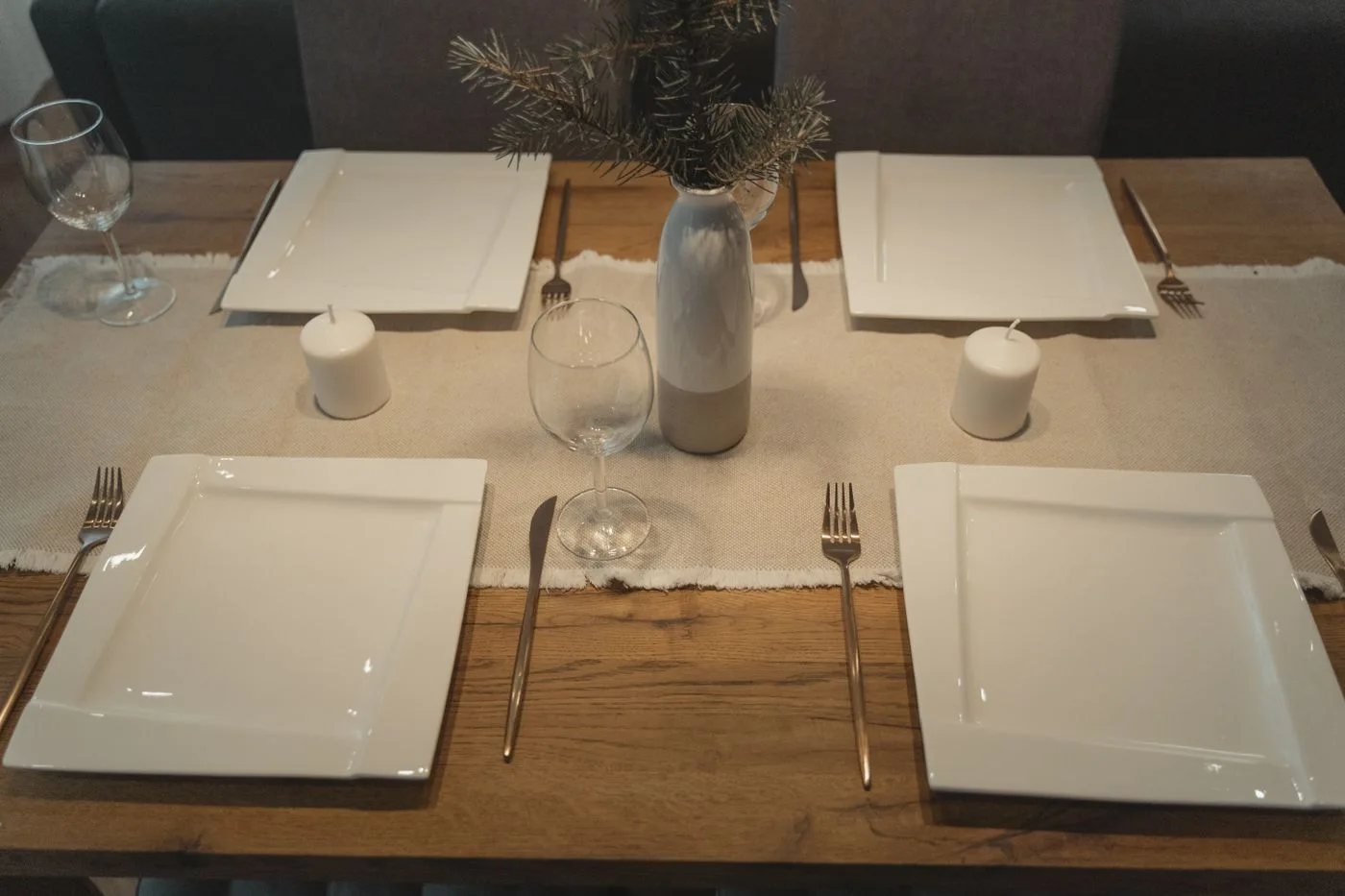
Set out suitable plates, cutlery and serving pieces according to the actual food and provider information. Do not assume every order includes the same accessories. The hosting capsule guide helps you use everyday pieces instead of treating takeaway as a reason to buy a special set.
Keep food handling and any remainder arrangements appropriate to the products and reliable guidance. The gathering container plan addresses the separate practical question of having suitable containers without inventing storage rules.
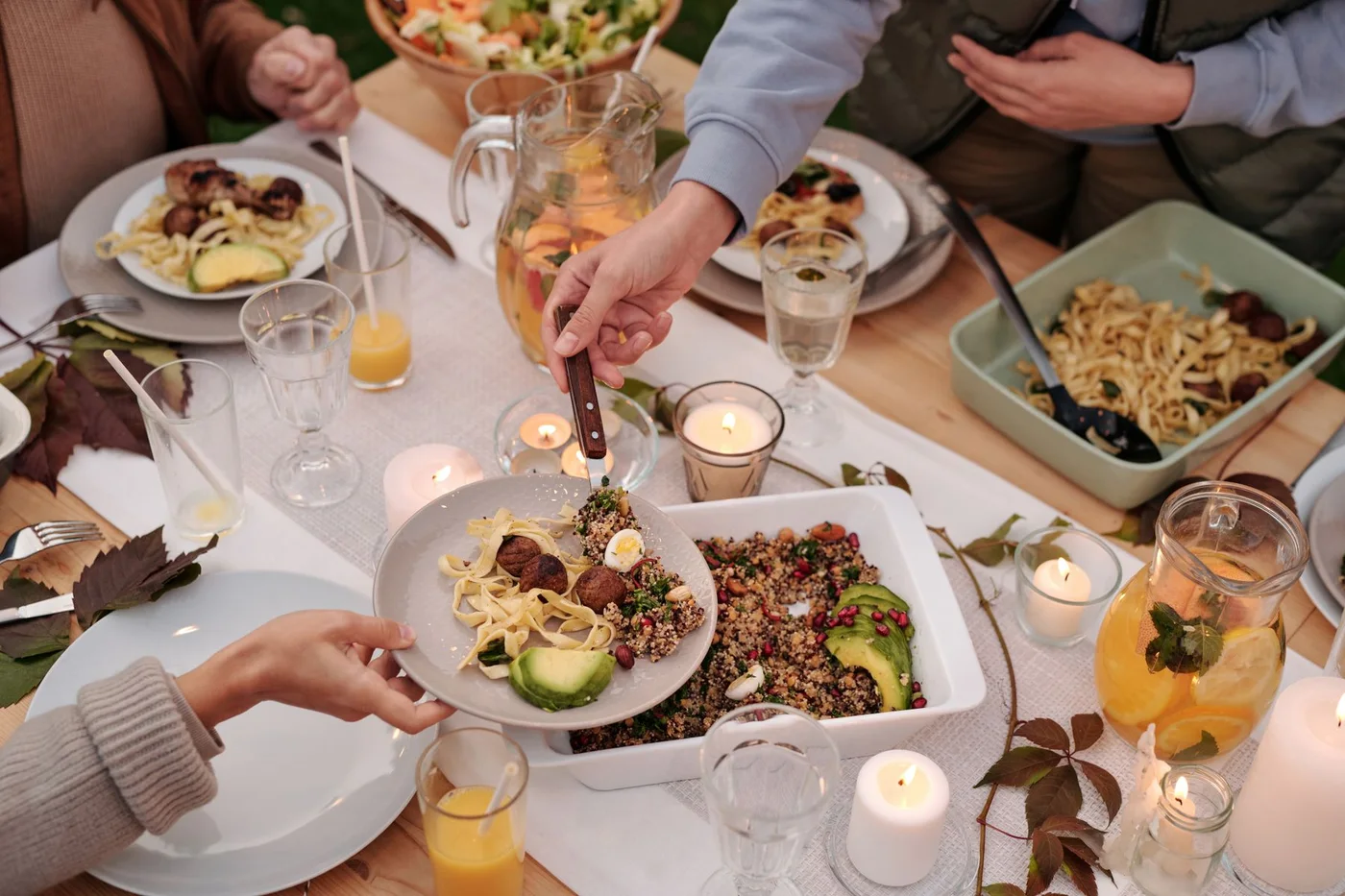
When the food arrives, identify the individual choices before people begin serving. Then put the order administration aside. The coordination has worked when everyone can recognize what was agreed and settle into the meal, leaving the evening free for the company rather than another round of menu negotiation.
Where to start browsing
These direct retailer links are a starting point for comparison. Confirm current stock, materials, dimensions, delivery and returns on the retailer's own site. Photographs show lifestyle inspiration, not a specific product being sold.
IKEA serveware ↗
Browse serving pieces and confirm dimensions before buying.
Crate & Barrel cloth napkins ↗
Compare cotton and linen options, sizes and care instructions.