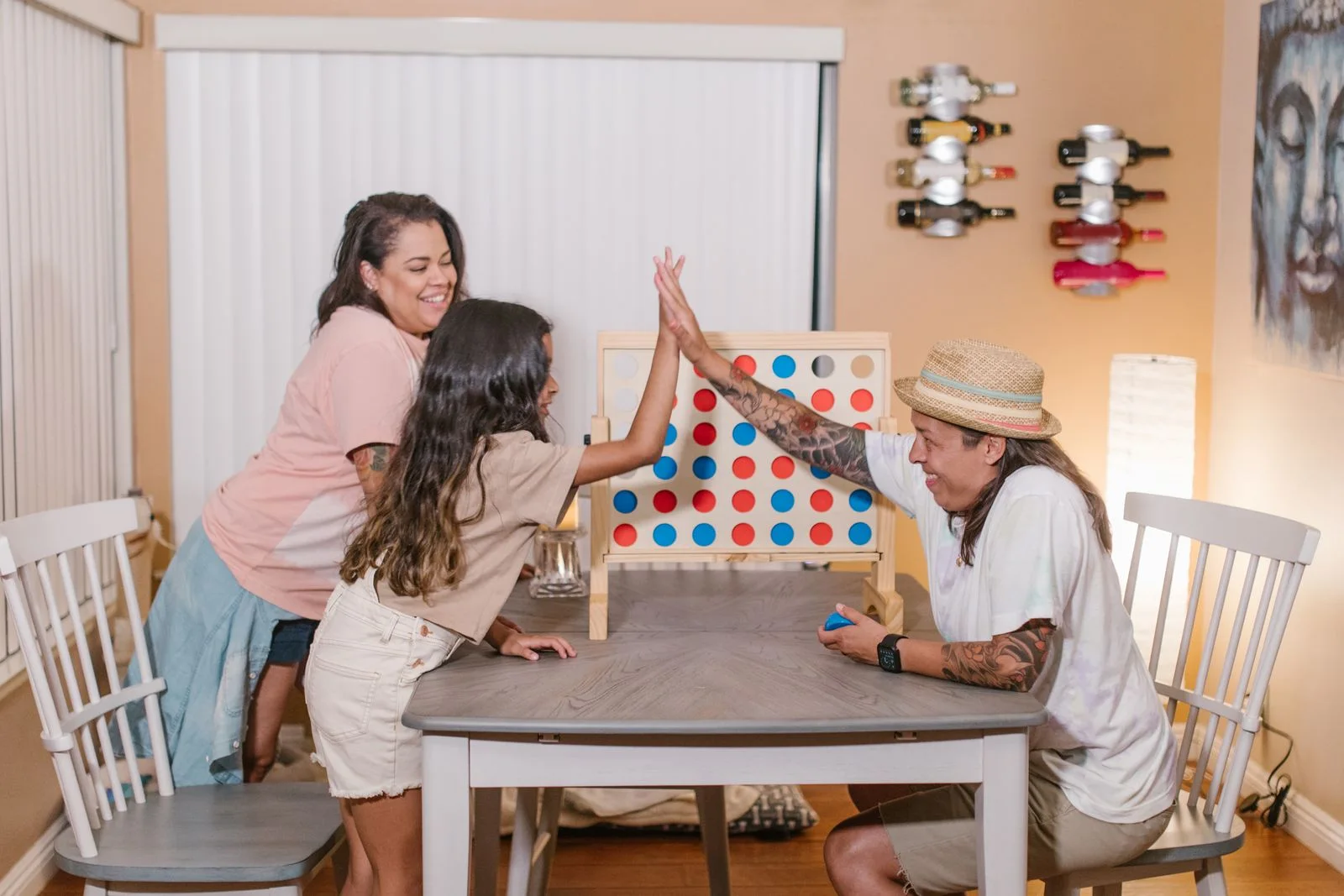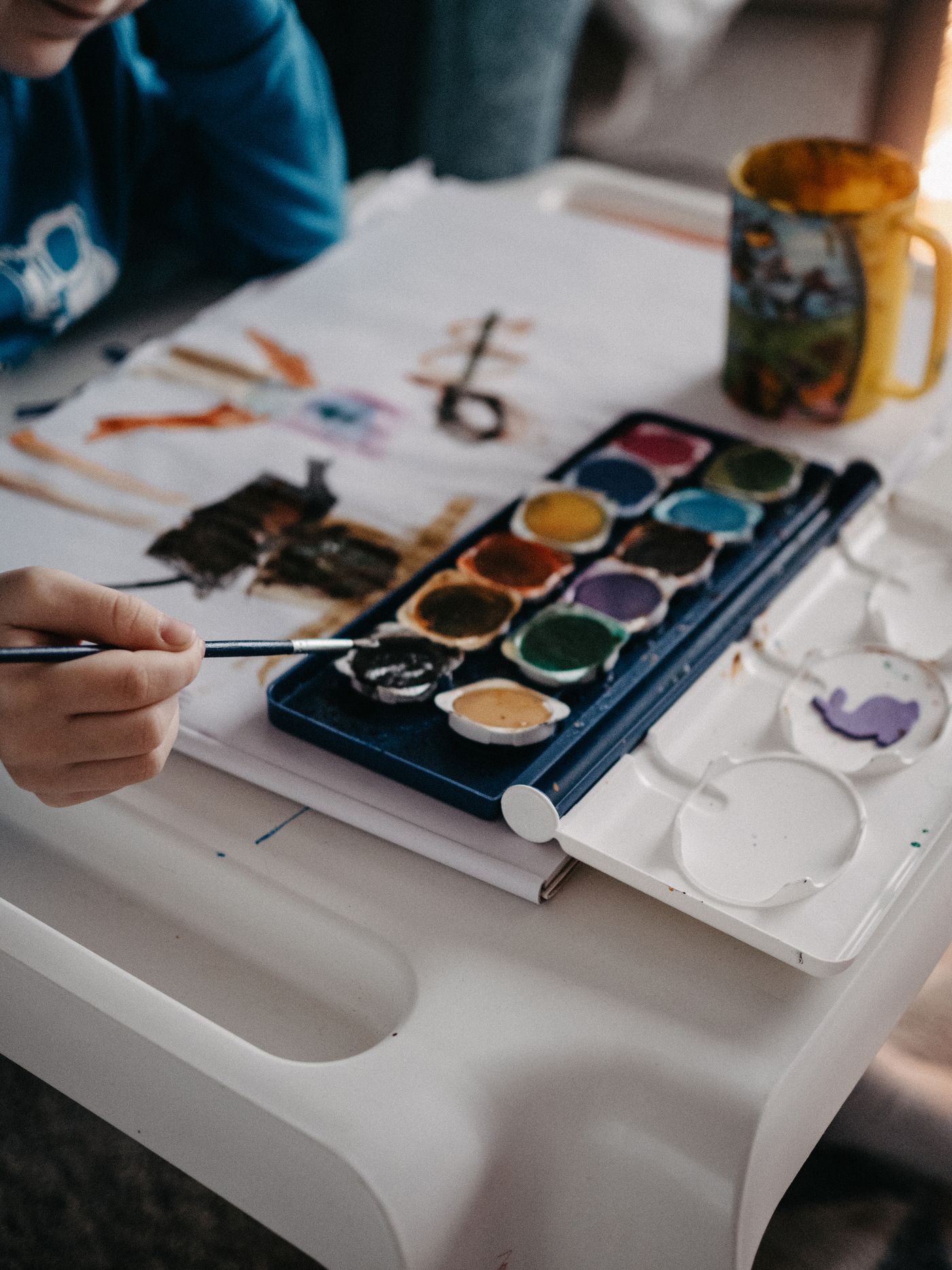
A family drawing gathering can begin with a small prompt rather than a model everyone is expected to copy. A few appropriate materials, an understood place to use them and a subject open to different interpretations can be enough. Keep the activity optional and proportionate to the gathering. The aim is to offer a shared starting point while allowing each participant to make something of their own.
Choose a prompt with room inside it
An ordinary object, an imagined garden or a favourite part of the day can give people different ways into the page. Avoid a prompt that depends on a particular skill or a private family story someone may not want to illustrate. A still object on the table gives an observational option; an imaginary subject allows people to invent instead.
Say the prompt in a short sentence and leave it there. Too many examples can become a hidden standard participants feel they must reach. You can offer an alternative for someone who does not connect with the first idea without turning the gathering into a sequence of new instructions.
Match the setup to the participants
Choose materials suitable for the people involved and follow the relevant product instructions. Adults remain responsible for children and the appropriateness of the activity. A simple paper-and-pencil setup may be easier to manage than several unfamiliar materials, especially when the room also needs to support food or conversation.
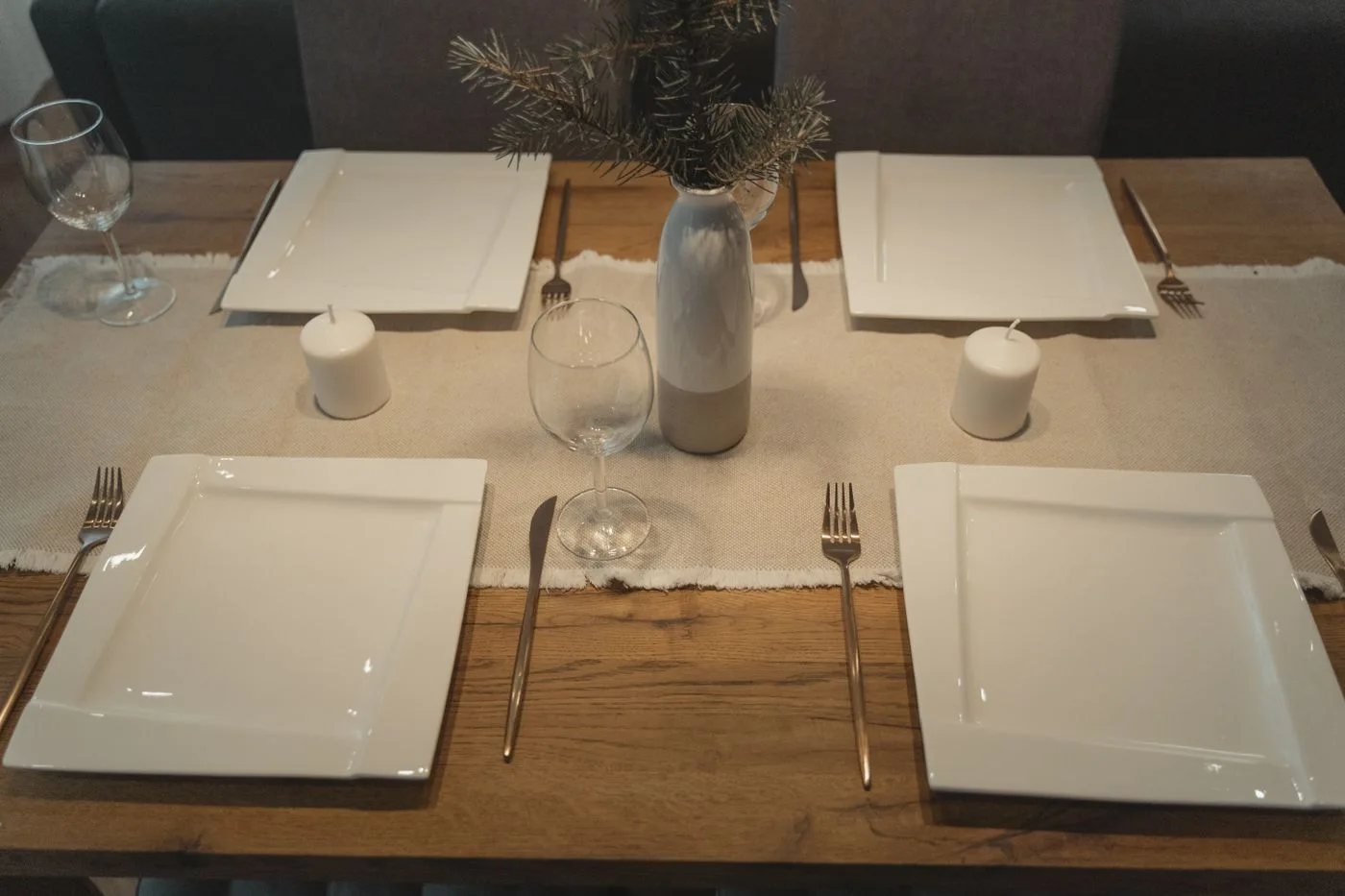
Protect and use the surface appropriately, keeping food and drinks separate from art materials. Allow enough working space without spreading the activity into every seat. The table handover guide helps when the table has another role before or after the drawing.
Make participation a genuine choice
Invite people to draw, watch or continue chatting as suits the agreed gathering. Do not hand someone a page and announce that they have no excuse not to join. The optional craft participation guide explains the wider hosting principle: a pleasant invitation does not require identical involvement.
Avoid comparing the speed or realism of the pictures. Ask about an image if the maker wants to discuss it, and accept that someone may prefer to keep their work private. A drawing does not need to become a family photograph, a competition entry or a display piece merely because it was made at a shared table.
Give the activity a soft finish
Explain when the table needs to change use, leaving enough time for people to stop at a natural point. An unfinished page can be taken home or set aside according to the materials' requirements. Ask before storing, photographing or sharing anyone else's work.
Return the materials through their own care instructions and leave the room ready for the next part of the gathering. The prompt has done its job if it gave people a manageable way to spend a little time together. Different results and different levels of participation can belong to the same enjoyable afternoon.
Where to start browsing
These direct retailer links are a starting point for comparison. Confirm current stock, materials, dimensions, delivery and returns on the retailer's own site. Photographs show lifestyle inspiration, not a specific product being sold.
IKEA serveware ↗
Browse serving pieces and confirm dimensions before buying.
Crate & Barrel cloth napkins ↗
Compare cotton and linen options, sizes and care instructions.