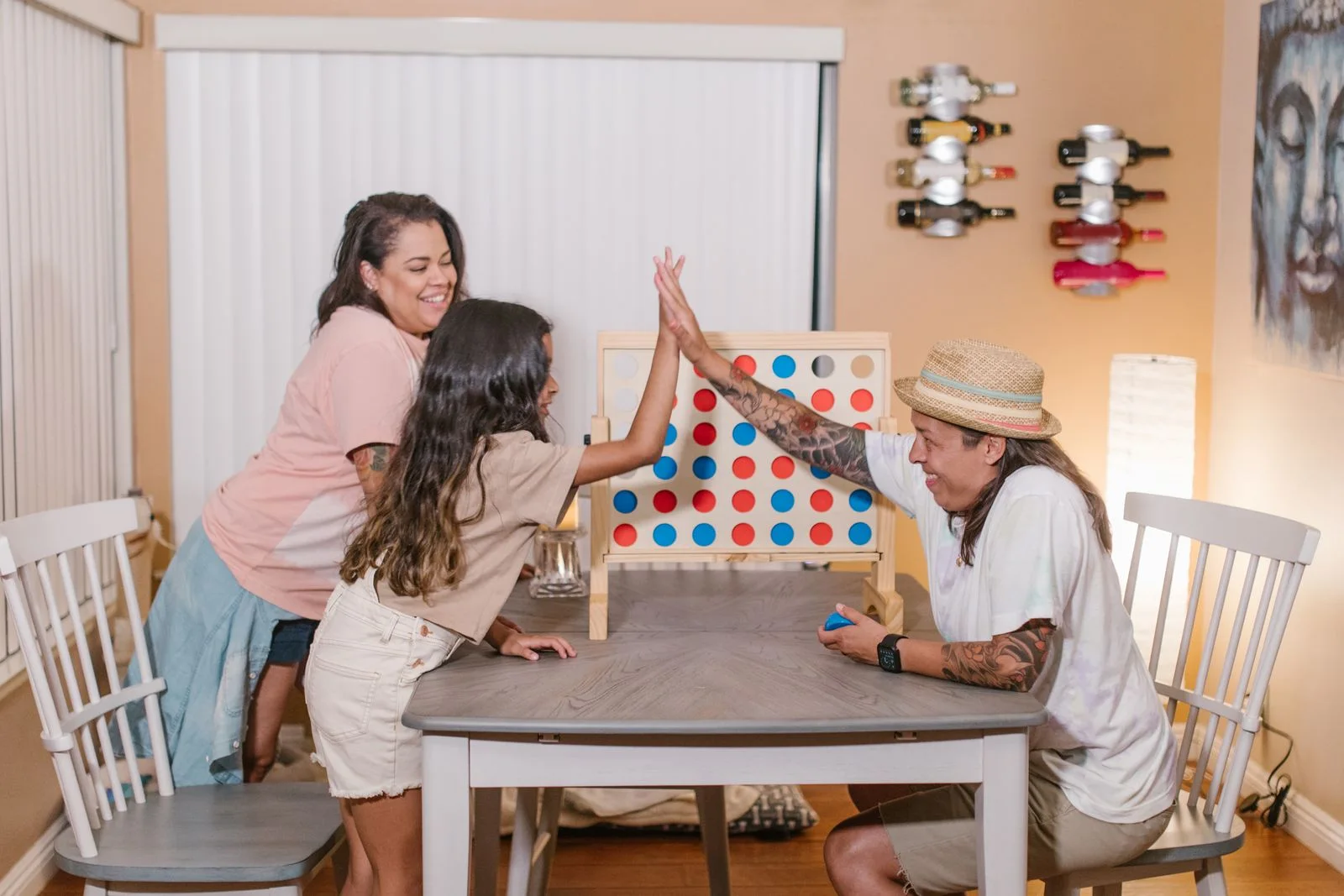
A craft gathering can include someone who would rather watch, talk or try only a small part of the activity. Make that possibility clear in the invitation and the setup. Participation should be a welcome option rather than a test of enthusiasm, skill or appreciation for the host's preparation.
Describe the activity honestly
Tell guests what you intend to make and the relevant practical expectations before they agree to come. Keep any necessary materials, appropriate age guidance or other requirements grounded in the actual activity and product information. Do not assume a project is suitable for everyone because it looks simple in a photograph.
Say whether watching or joining the conversation is comfortable. That answer should be genuine. An invitation that calls participation optional but leaves no appropriate place for a nonparticipant sends two different messages about what the host expects.
Provide an ordinary place to be present
Consider the room with the actual materials and people in it. Leave a suitable place for conversation that does not obstruct those working or require someone to hold an unwanted tool. Follow relevant safety and product guidance for the activity rather than improvising access around a crowded decorative setup.
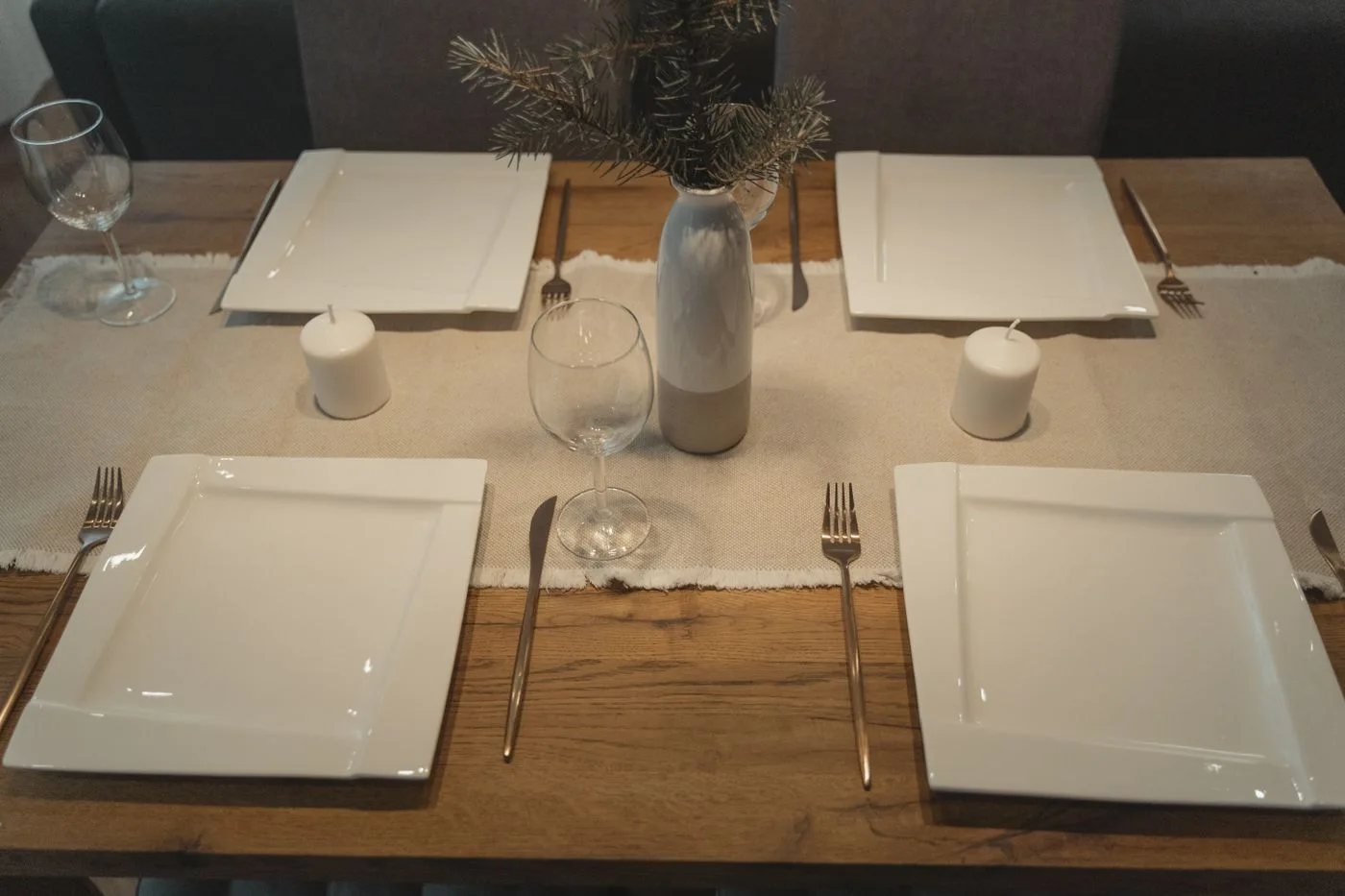
The small gathering table guide offers a useful space principle even when the activity is different from dining. The table should serve the actual people and task, not only an overhead image of neatly arranged supplies.
Offer a small entry point without pressure
If someone is curious, explain a modest appropriate step they can choose to try. Ask before taking over their work or correcting their result. A demonstration should support their interest rather than turn their object into evidence of how successfully you taught the activity.
Let a person stop after the step they wanted. Trying one part does not commit them to completing an entire project. Avoid repeated encouragement that makes a polite no feel temporary until the host has persuaded it away.
Keep comparison out of the conversation
Do not rank finished pieces or use speed as a measure of who enjoyed the gathering most. People may want different things from the time: a new technique, a quiet activity or simply company. A nonparticipant's conversation can be part of the gathering without being described as lesser involvement.
The small book conversation guide offers a related invitation principle. Clear expectations leave room for people to take part thoughtfully without requiring identical preparation or the same visible result.
Agree the ending and belongings
Explain what happens to materials, unfinished pieces and personal objects when the activity finishes. Follow the appropriate care and handling arrangements and ask before discarding or taking another person's work. Nobody should acquire an unexpected responsibility to transport a project they did not choose.
Afterward, thank people for coming rather than for proving their participation. A comfortable craft gathering has an understood activity and room for individual choice, allowing the shared time to matter even when the objects made, or not made, are different.
Where to start browsing
These direct retailer links are a starting point for comparison. Confirm current stock, materials, dimensions, delivery and returns on the retailer's own site. Photographs show lifestyle inspiration, not a specific product being sold.
IKEA serveware ↗
Browse serving pieces and confirm dimensions before buying.
Crate & Barrel cloth napkins ↗
Compare cotton and linen options, sizes and care instructions.