A small book conversation is easier to enjoy when the invitation explains what people are actually joining. Choose the title or theme, decide whether reading in advance matters, and keep the evening's practical arrangement modest. The gathering should offer conversation without turning guests' leisure time into an unexpected assignment.
Make the expectation explicit
Tell guests whether the discussion centers on one agreed book, a short permitted extract, or a broader reading theme. If finishing the book is not required, say so. If the planned format depends on particular preparation, explain that before people accept rather than revealing it when they arrive.
Choose a suitable title and edition or reference so everyone knows what is meant. Consider readable and accessible formats where available. A host's own preferred edition should not be treated as the only way another person can appropriately participate.
Keep the invitation proportionate
Confirm date, place, a realistic beginning and finish, and any practical needs guests should tell you about. A small group can still have different access, dietary, or comfort requirements. Ask respectfully and choose an arrangement the actual participants can use.
Avoid promising expert discussion or assigning one person the role of explaining everything unless that is agreed and accurate. A casual conversation can be thoughtful through a few genuine questions without imitating a formal literary event.
Prepare a modest shared setting
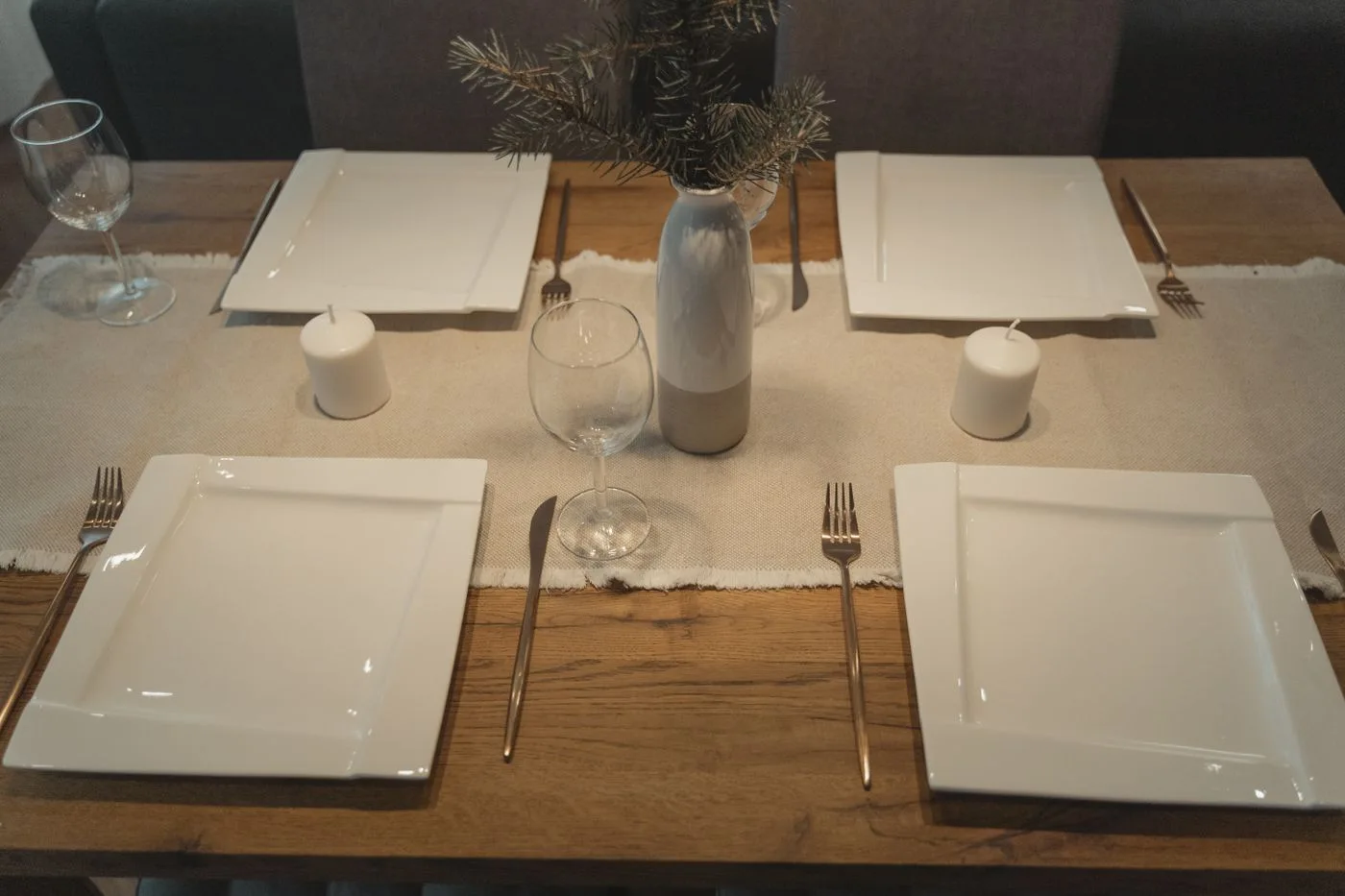
Use suitable seating, lighting, and surfaces that leave people comfortable. Keep books and devices protected from food and drinks according to their requirements. A large decorative table arrangement can compete with the actual conversation and reading materials.
Our tea-afternoon guide helps keep refreshments simple and purposeful. Food can support the gathering without becoming a second event whose preparation and serving repeatedly interrupt the discussion.
Use questions that invite choice
Ask what people noticed, what puzzled them, or which idea they want to explore. Keep interpretations distinct from verified facts and respect different responses. Do not pressure someone to disclose personal experiences because a character or topic appears to connect with them.
The winter reading-corner guide helps make room for reading through actual use. A conversation evening can follow the same principle, with an appropriate setting rather than a need for new furniture, matching notebooks, and a staged bookshelf.
Include the exact title and format expectation in the invitation, so guests can decide whether the preparation and discussion genuinely fit their available time.
What if someone has not read the book? Follow the expectation you actually communicated and offer an appropriate way to participate or listen. Avoid turning the moment into a test of commitment. The next gathering can use a clearer agreement if needed. A comfortable small conversation succeeds through respectful participation and an understandable format, not through proving everyone has completed the same number of pages.
Where to start browsing
These direct retailer links are a starting point for comparison. Confirm current stock, materials, dimensions, delivery and returns on the retailer's own site. Photographs show lifestyle inspiration, not a specific product being sold.
IKEA serveware ↗
Browse serving pieces and confirm dimensions before buying.
Crate & Barrel cloth napkins ↗
Compare cotton and linen options, sizes and care instructions.