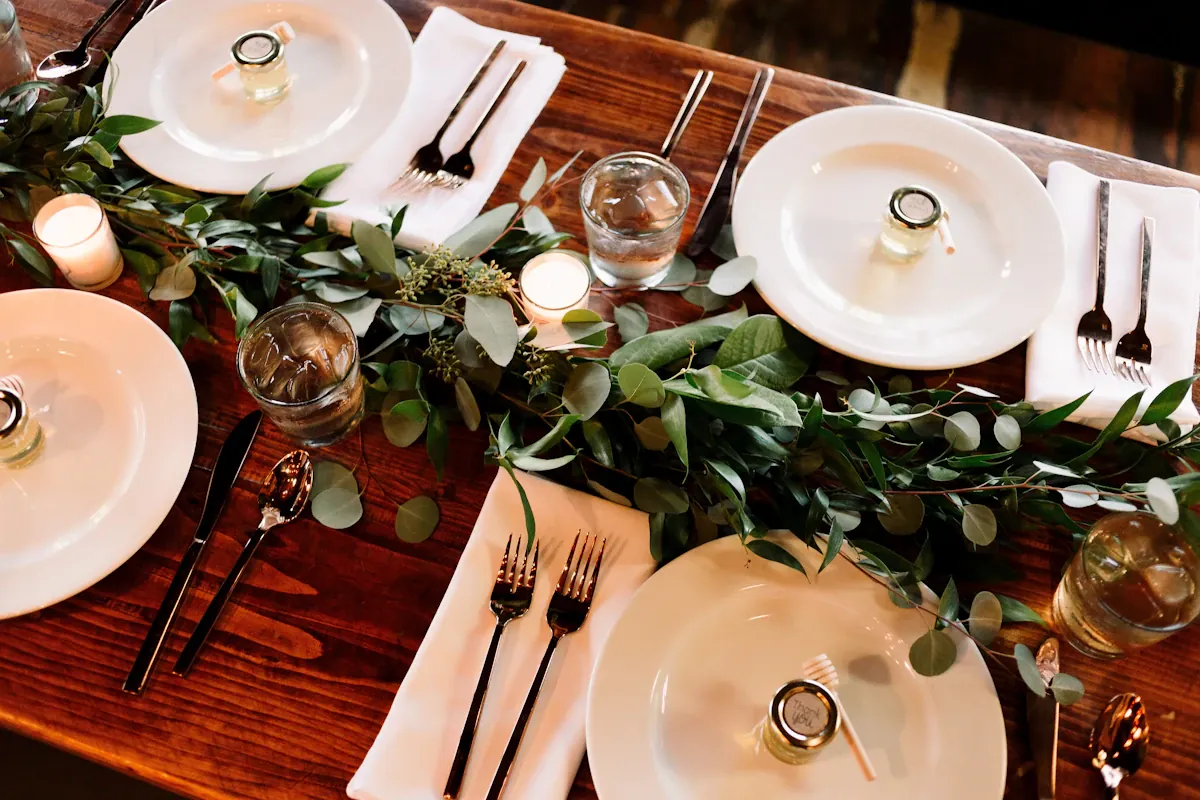
Place cards can make a table easier to join when they answer a real seating question. They can also become an extra decorative task that solves nothing. Decide what you need to clarify before writing names: a guest's agreed practical preference, a mixed group that would welcome introductions or simply which seats are available. The card should support the gathering rather than turn the table into a rigid arrangement nobody requested.
Identify the reason for assigning places
Ask whether guests actually need help choosing seats. A small familiar group may settle comfortably without a plan. A gathering with different practical preferences may benefit from a little preparation. Keep those preferences grounded in what people have told you rather than assumptions about age, relationships or who ought to talk to whom.
If a guest has an important seating need, discuss it privately and make the appropriate arrangement. A place card is only a label; it does not establish that the chair, route or table position is suitable. The dining-chair table-fit guide addresses the separate physical question.
Use the names people recognize
Check the spelling and the form of name each guest uses. First names may be enough in a small group, but think about repeated names or people who do not know one another. A card should remove uncertainty rather than create a puzzle about which place belongs to whom.
Do not add a nickname, joke or personal label unless you know the person welcomes it in this company. The host may remember an amusing story the guest would not want printed at their place. Keep the card simple and let introductions supply any agreed shared interest.
Keep the object readable and manageable
Choose a format that sits appropriately on the actual table and can be read from the approach guests will use. Use materials and any stands according to their intended use. Avoid placing cards where they interfere with serving, glasses or the ordinary movement of cutlery.
A folded piece of suitable paper may be enough; elaborate holders are not necessary to make the names clear. The thoughtful table-setting guide keeps the meal's working space more important than decorative completeness.
Allow a sensible change
Tell guests what the cards mean without presenting the arrangement as a secret test. If someone asks to move, understand the request and adjust where appropriate. A practical change is not a criticism of the host's effort. Keep any important agreed needs intact while leaving the rest flexible.
If guests move during a longer gathering, the first dinner positions do not need to govern the whole evening. The card did its job when it helped people begin. Do not repeatedly restore the original arrangement merely because it looked better in a photograph.
Afterwards, keep only the materials you can genuinely reuse and handle personal names appropriately. A place-card plan is successful when it makes the arrival at the table simpler. If it adds more uncertainty, effort or restriction than the gathering needs, leaving the seats unassigned is a complete decision too.
Where to start browsing
These direct retailer links are a starting point for comparison. Confirm current stock, materials, dimensions, delivery and returns on the retailer's own site. Photographs show lifestyle inspiration, not a specific product being sold.
IKEA serveware ↗
Browse serving pieces and confirm dimensions before buying.
Crate & Barrel cloth napkins ↗
Compare cotton and linen options, sizes and care instructions.