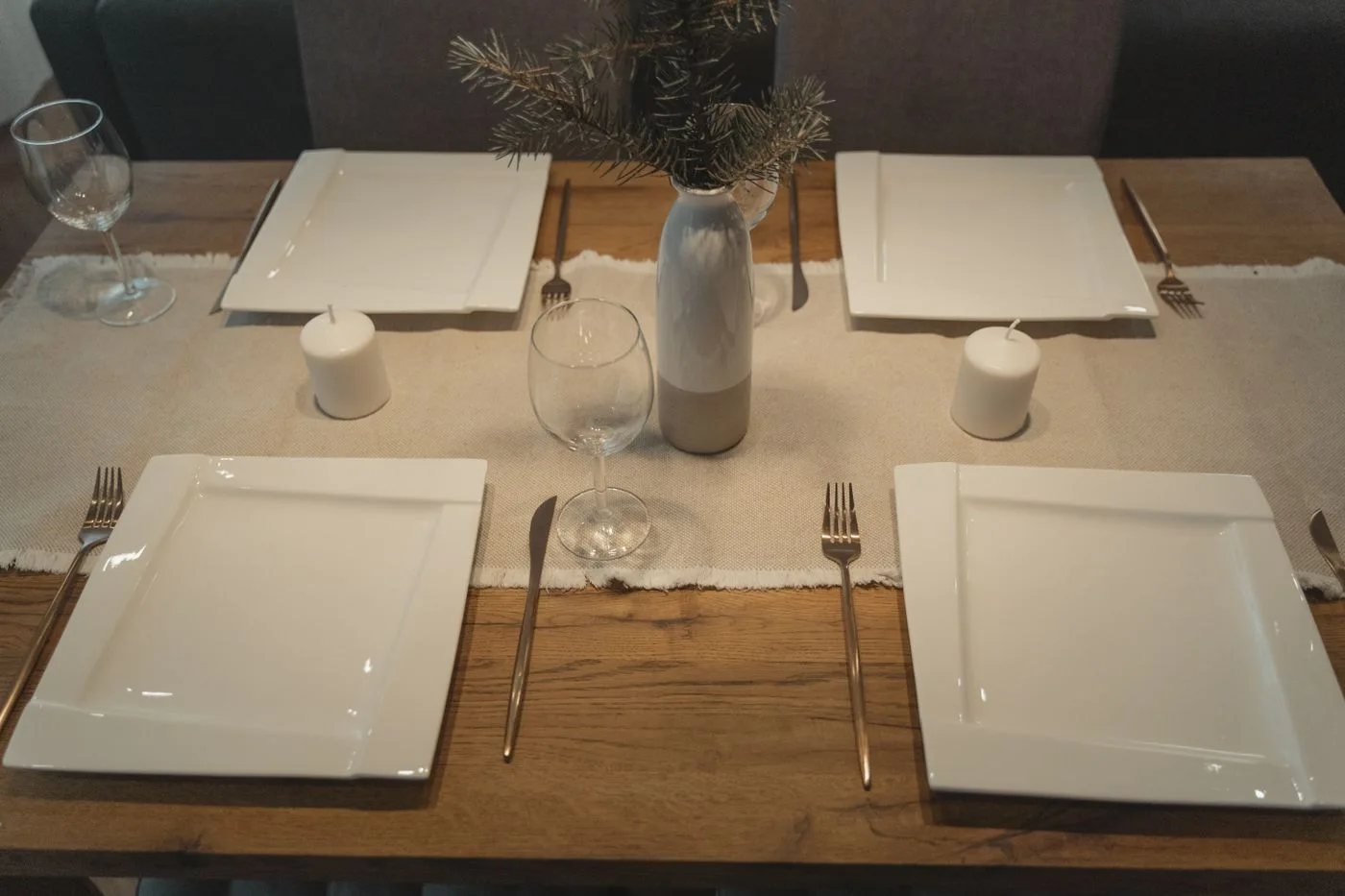
A borrowed serving piece can disappear into the ordinary cleanup when the table is full of similar dishes. Give it a separate ownership and return plan before the gathering begins. A clear description, understood care and a real handover arrangement can be enough. The aim is to return the actual object appropriately, not simply finish the kitchen and hope the owner recognizes what remains.
Record the piece when it arrives
Note who owns the object and how to distinguish it from similar pieces. A small photograph taken with permission can help, particularly when a lid, stand or utensil belongs with the main item. Keep the parts connected in the record without attaching unsuitable labels directly to the object.
Ask about any relevant handling or care information before using it. Do not assume a familiar-looking bowl can be treated like your own. If important information is missing, clarify it with the owner and suitable reliable guidance rather than improvising a cleaning method after the meal.
Agree when the loan ends
Establish whether the owner plans to take the piece home that evening or whether you will arrange a later return. Those plans affect how you use it. A dish needed for serving near the end of the gathering may not be ready for an immediate departure without a separate agreed arrangement.
Keep the loan distinct from a contribution of food. The bring-one-dish coordination guide can help establish what someone is bringing, but the container remains its own object with an owner. Do not assume it was included as a gift because the food was offered to the group.
Separate the borrowed item during cleanup
Tell anyone helping which pieces need different treatment. Use the actual care instructions rather than relying on memory or a guess based on colour and material. If a lid or accessory is removed, place it where it can be reconnected reliably instead of mixing it among unrelated kitchen objects.
The gathering dish handover guide addresses the wider cleanup. The extra ownership record here prevents a borrowed piece from becoming an anonymous task that several helpers each assume someone else will finish.
Close the return as a real task
Check the item and its associated parts before the agreed handover. If something has changed or been damaged, tell the owner plainly rather than attempting an unapproved repair or quietly replacing it with a similar object. The owner should decide how to handle an issue affecting their belongings.
For a later return, name the next step and the person responsible. A dish waiting beside the door is not returned until the owner actually receives it through the agreed arrangement. Do not leave it at another address or with another person merely because that route seems convenient.
Once the handover is complete, close the note rather than keeping an unnecessary permanent record of someone else's belongings. The loan has supported the gathering when both use and return remained understandable. Thoughtful borrowing includes the ordinary final journey back to the person who trusted you with the piece.
Where to start browsing
These direct retailer links are a starting point for comparison. Confirm current stock, materials, dimensions, delivery and returns on the retailer's own site. Photographs show lifestyle inspiration, not a specific product being sold.
IKEA serveware ↗
Browse serving pieces and confirm dimensions before buying.
Crate & Barrel cloth napkins ↗
Compare cotton and linen options, sizes and care instructions.