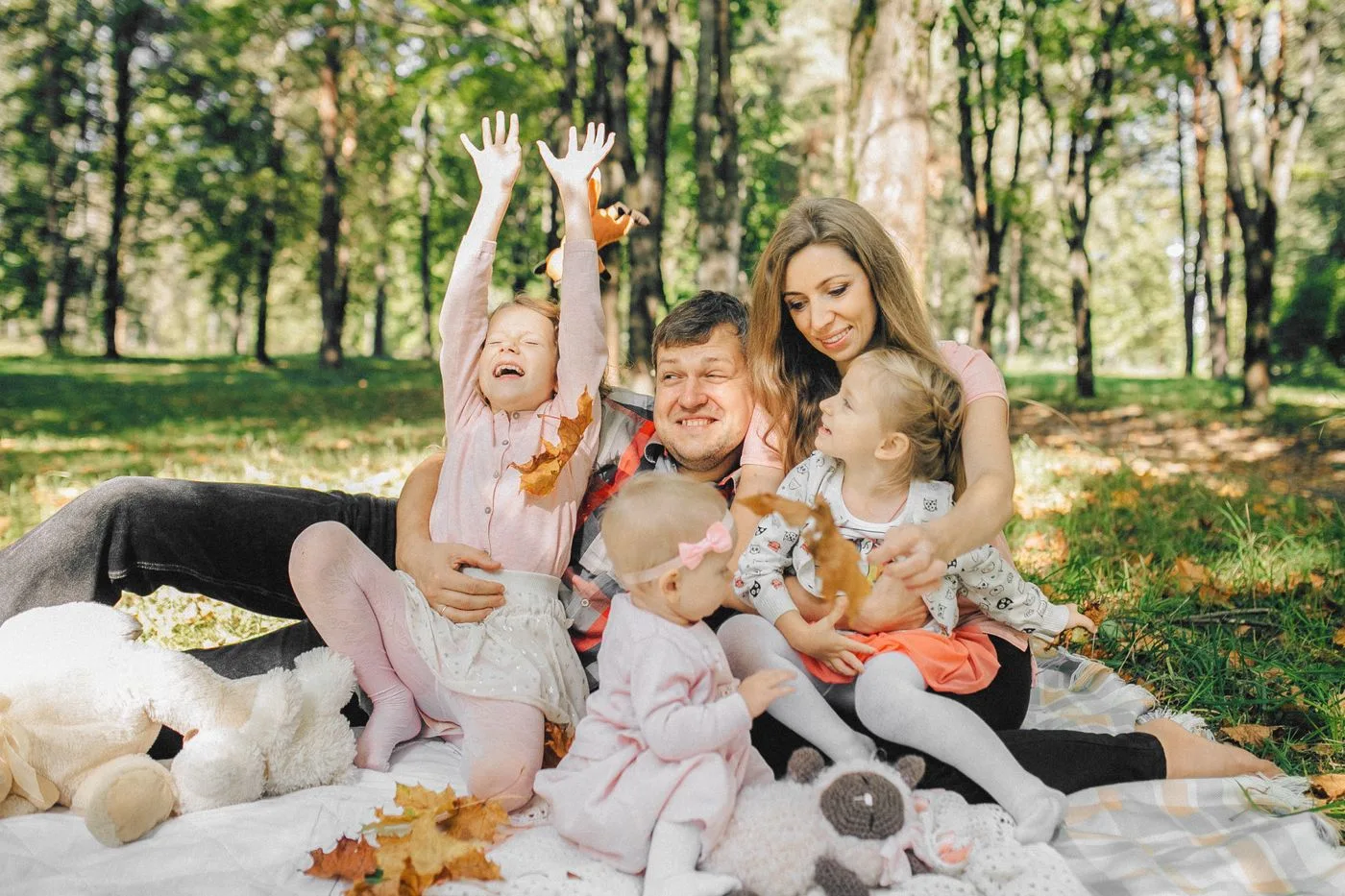
At a picnic, choosing where people will sit is part of the meal plan. Opening the food bag first can leave the group juggling containers while looking for a suitable surface. Establish the seating and the place's requirements before unpacking so the gathering can settle without turning the ground into a temporary food display.
Check the place before the bag
Confirm that picnicking is permitted in the intended area and follow the site's current rules. Conditions, access and facilities can vary, so check the relevant local information rather than assuming every open patch is available. Have a realistic alternative if the proposed spot is unsuitable on arrival.
Ask participants what they need for comfortable access and seating. A blanket arrangement will not suit every person or every condition. Avoid promising accessibility from a photograph or from someone else's experience; use the venue's information and the individual's own judgment about what works for them.
Establish places for people and food
Lay out suitable seating without blocking paths or other people's access. Keep bags and loose items in a place that does not become a trip obstacle. Decide which surface will support the food and whether it is appropriate for the containers and serving method you brought.
The summer water pitcher guide offers related questions about passing drinks and placing vessels. Outdoors, think through those same movements using equipment suited to the actual location rather than copying an indoor table arrangement onto uneven ground.
Unpack according to the food's needs
Follow appropriate food-safety guidance, packaging instructions and the requirements of the actual dishes. Check the plan before leaving home, including transport, serving and what happens to remaining food. Do not assume shade or a pleasant temperature replaces a suitable handling arrangement.
Keep ingredient information available and make it clear which food it describes. The bring-one-dish coordination guide helps if several people contribute. Agree who brings useful equipment as well as the food, so the group does not discover that everyone expected someone else to provide serving items.
Make the departure part of the plan
Bring suitable means to collect the group's waste and follow the site's disposal rules. Keep the departure route usable while packing and check for small belongings before lifting blankets or moving seats. Handle remaining food according to appropriate guidance instead of offering it simply because a container is nearly full.
If the seating arrangement proved awkward, record why: the approach, the ground, the space between places or the equipment carried. Those details will improve a future picnic more than a vague instruction to pack less. A successful plan gives people a suitable place to sit and a clear, manageable way to share the meal.
Agree how the group will respond if the original spot is unavailable. Having a suitable alternative or deciding to eat elsewhere can be more practical than forcing a picnic into a place that does not meet the group’s needs.
Reference: FDA safe food handling guidance.
Where to start browsing
These direct retailer links are a starting point for comparison. Confirm current stock, materials, dimensions, delivery and returns on the retailer's own site. Photographs show lifestyle inspiration, not a specific product being sold.
IKEA serveware ↗
Browse serving pieces and confirm dimensions before buying.
Crate & Barrel cloth napkins ↗
Compare cotton and linen options, sizes and care instructions.