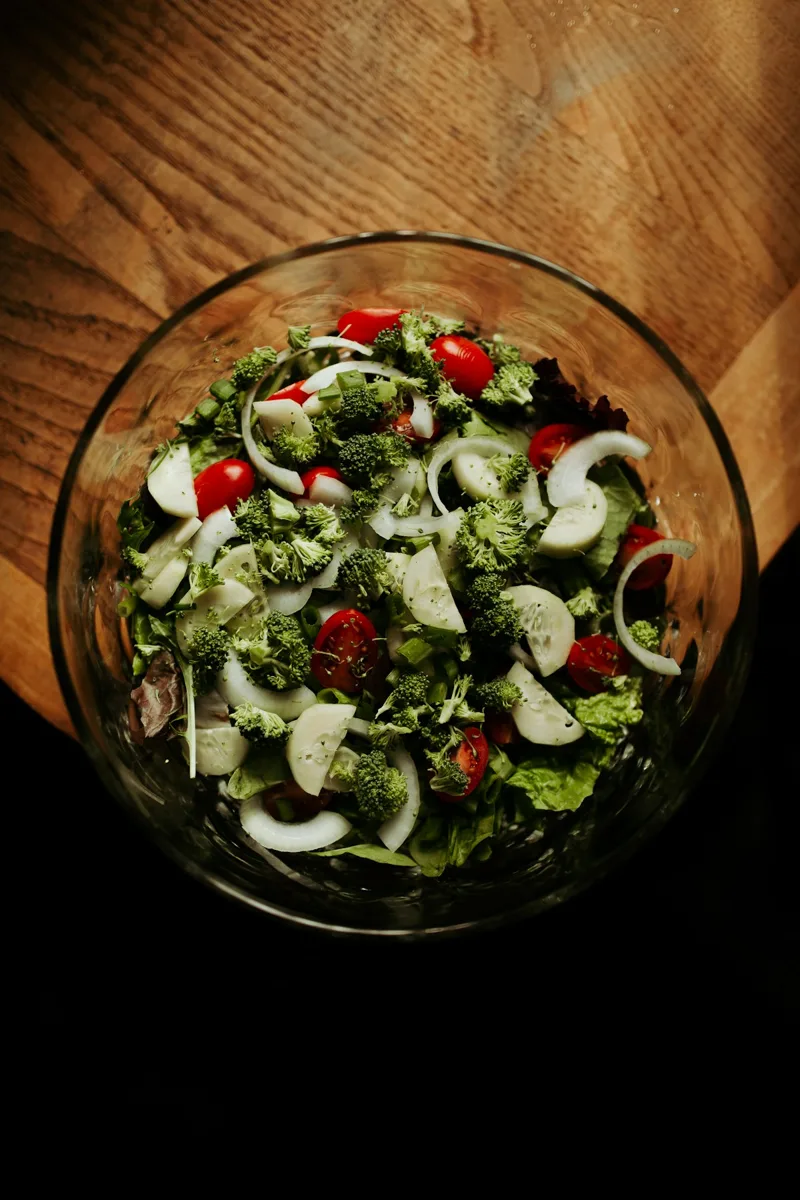
A gathering salad can offer a clear dressing arrangement without creating separate complete dishes for every guest. Choose suitable ingredients, ask about individual needs, and decide how the food will be prepared and served. A beautiful shared bowl should not hide information or make someone guess what they can appropriately eat.
Ask before mixing
Check dietary requirements respectfully and use qualified guidance for medically important concerns. Read actual ingredient and product information and ask the relevant provider where necessary. A broad salad name does not establish suitability, and removing a visible ingredient after mixing may not meet an individual's needs.
Choose a reliable recipe or familiar appropriate combination. Keep the preparation modest enough for the gathering's real facilities and time. A host does not need to make the salad the most elaborate item on the table simply because colorful produce looks appealing.
Prepare through reliable handling
Follow authoritative food-safety guidance and product instructions for washing, preparing, and storing ingredients. Use suitable clean equipment and conditions. Keeping dressing separate is a serving choice, not a substitute for the care the food requires.
Plan quantities through the actual guest number and suitable realistic later use. A large serving bowl should not determine how much food is made. Keep any leftover arrangement appropriate rather than assuming the undressed appearance guarantees a particular storage life.
Explain the serving options
Make clear which suitable dressing or separate ingredients are available and how guests should use the appropriate utensils. Keep necessary ingredient information accessible. Avoid placing unlabeled similar vessels together and expecting someone with a specific requirement to identify the correct one by color.
Our bring-one-dish coordination guide helps make shared-food details explicit. A contributed salad needs the same clear information as one prepared by the host, with the actual preparer available to answer relevant questions where necessary.
Keep the table usable
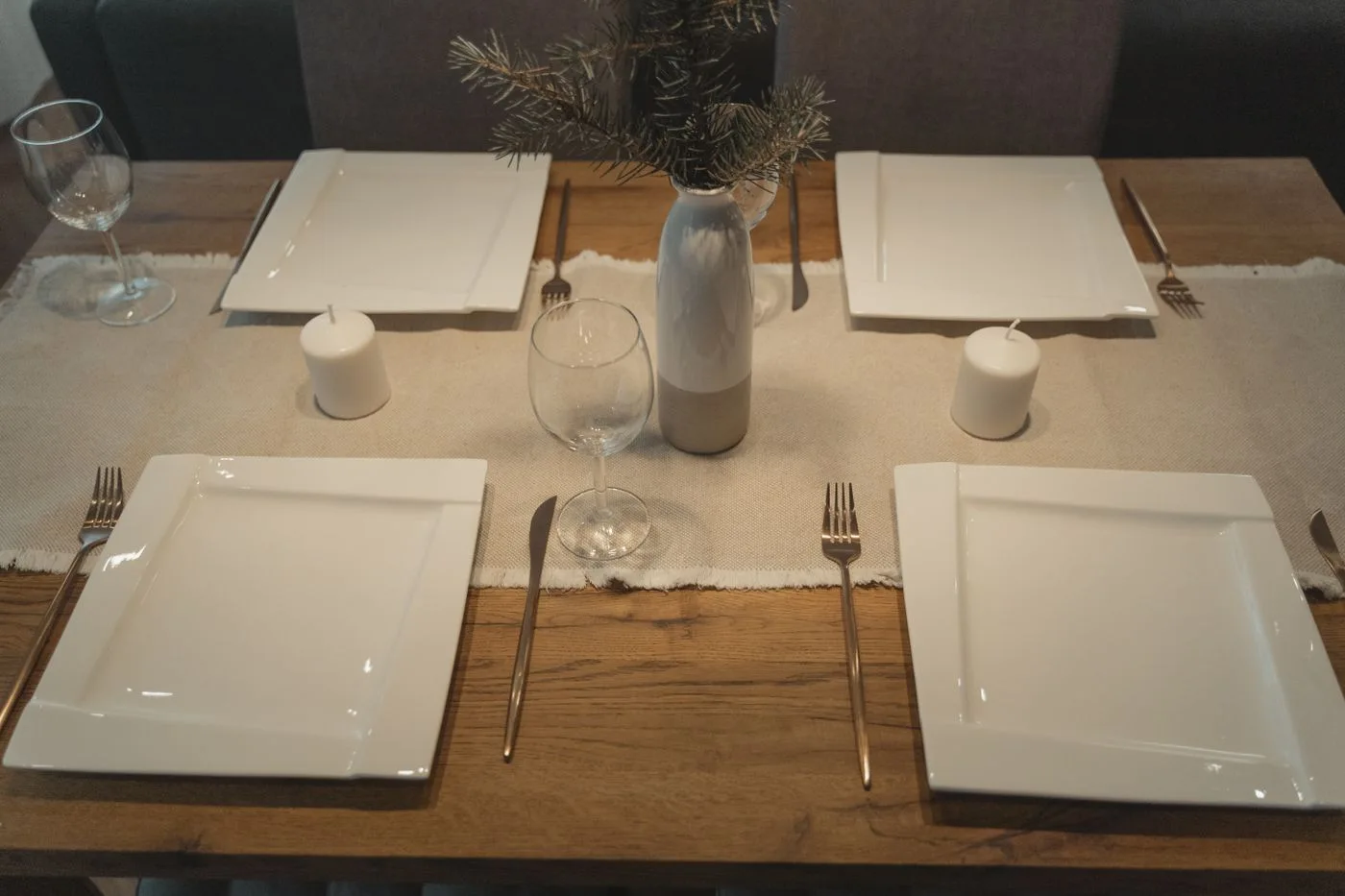
Use dishes appropriate for food and the materials involved, with suitable positions for comfortable serving. Do not crowd individual settings with every possible option. Ask how the actual guests can reach and use the arrangement without unstable passing or awkward stretching.
The thoughtful table-settings guide helps leave room for the meal. Clear practical serving can be more welcoming than a decorative spread whose labels, utensils, and access are difficult to understand.
Explain the serving arrangement before guests begin, including which utensils belong to separate suitable options. Clear wording is more helpful than relying on different bowl colors alone.
Should every salad be dressed separately? Follow the reliable recipe, actual ingredients, safe handling, and guests' requirements. Some meals call for a particular sequence, while others suit separate appropriate options. The useful habit is deciding clearly and explaining the arrangement, not applying one universal serving rule to every salad merely because a gathering includes different preferences.
Planning references: FDA: Safe Food Handling. Confirm current arrangements with the relevant provider.
Where to start browsing
These direct retailer links are a starting point for comparison. Confirm current stock, materials, dimensions, delivery and returns on the retailer's own site. Photographs show lifestyle inspiration, not a specific product being sold.
IKEA serveware ↗
Browse serving pieces and confirm dimensions before buying.
Crate & Barrel cloth napkins ↗
Compare cotton and linen options, sizes and care instructions.