A kitchen cupboard can have enough storage and still be awkward to use because its door interrupts the working route. Check the room with its ordinary doors and drawers in use before buying organisers. The useful question is whether someone can retrieve an item and put it back without rearranging the kitchen around the opening.
Follow one ordinary task
Choose a familiar task such as setting out cups or returning clean dishes. Notice which cupboards are opened, where the person stands and which nearby doors need to remain accessible. Observe a normal sequence rather than opening everything at once to create an unrealistic obstacle course.
The everyday dinnerware guide helps connect the contents to actual use. A cupboard works better when frequently used pieces are placed deliberately, instead of allowing an attractive arrangement to decide which awkward reach happens repeatedly.
Look at the complete movement
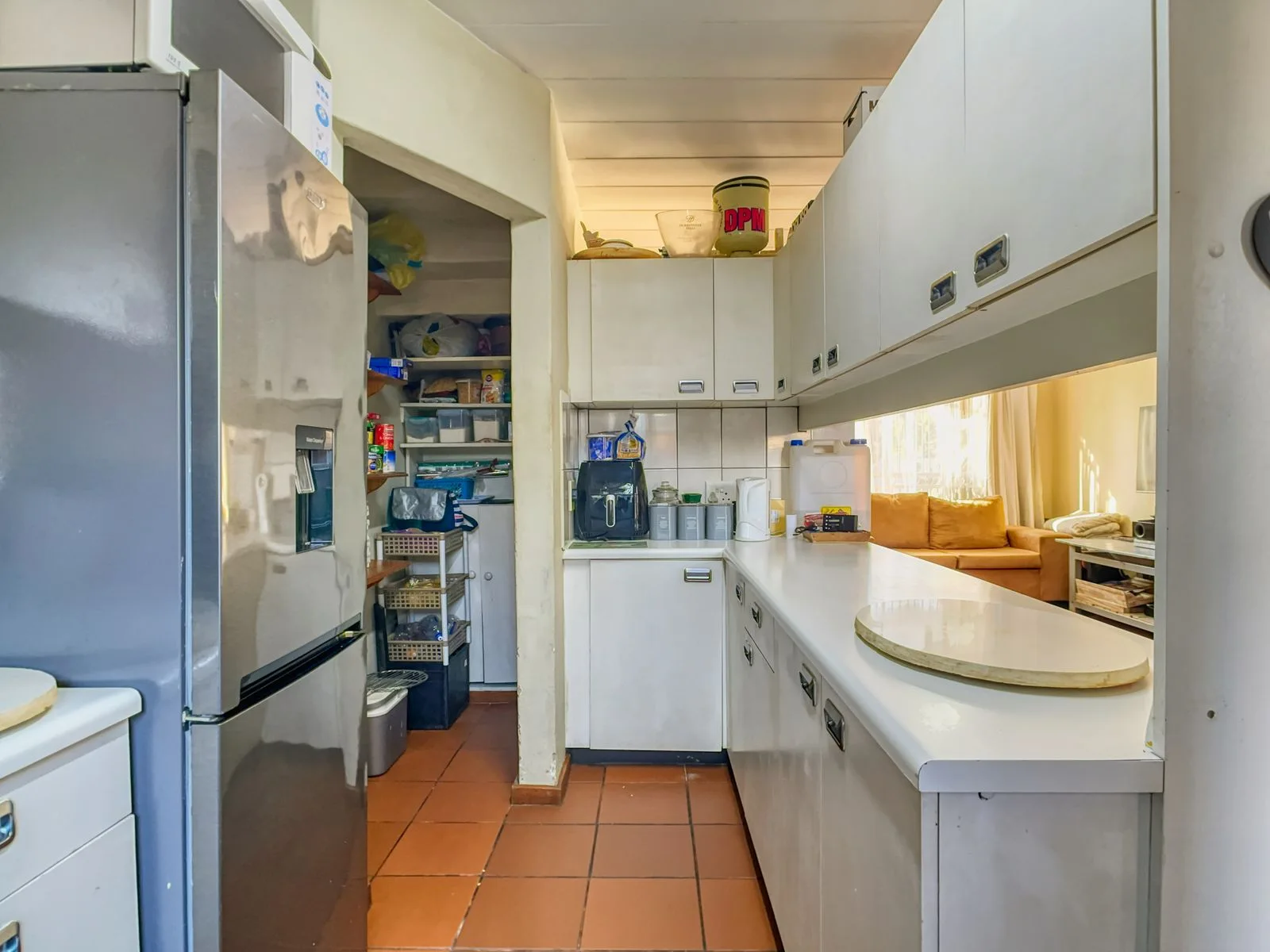
Check the door's swing, handles and neighbouring furniture through ordinary movement. Allow the person using the kitchen to decide what access feels manageable. An empty room photograph cannot establish whether a cupboard arrangement works for the people who use it.
Keep walking and escape routes clear. If an opening catches, has loose parts or appears damaged, stop treating the problem as an organising exercise. Follow the product's maintenance information or seek appropriate repair advice rather than forcing the door or altering hardware without knowing its requirements.
Move contents before adding equipment
Where practical, try relocating a frequently used category to an existing suitable cupboard with easier access. Check its dimensions, shelf requirements and care conditions first. The solution may be a small change in where mugs live rather than another pull-out unit or hanging organiser.
Do not assume an accessory is compatible with a door because its advertised width appears to fit. Fixings, clearances, loads and the cupboard's construction also matter. Read the relevant instructions before purchase and avoid attaching equipment to rented or shared fixtures without permission.
Test the return journey
A revised arrangement needs to work when putting items away as well as when taking them out. Consider where a person places dishes while opening the door, and whether another kitchen user can still complete an ordinary task nearby. Keep the test calm and based on actual use.
The serving tray route guide extends this approach beyond the cupboard. The path between storage, preparation and serving is part of the same decision; clearing one opening should not merely move the obstruction elsewhere.
If the arrangement remains inconvenient, record the specific conflict before shopping. A description such as the mug door blocks the route to the table is more useful than a vague wish for better storage. It gives any eventual change a clear problem to solve and an ordinary routine against which to check it.
Where to start browsing
These direct retailer links are a starting point for comparison. Confirm current stock, materials, dimensions, delivery and returns on the retailer's own site. Photographs show lifestyle inspiration, not a specific product being sold.
IKEA serving bowls ↗
Compare serving-bowl shapes, materials and dimensions.
Crate & Barrel cloth napkins ↗
Compare cotton and linen options, sizes and care instructions.