A serving tray can reduce trips between the kitchen and a comfortable seat, but only when the load and route suit it. Compare handles, useful surface, weight, and storage with the way you will actually carry it. The most useful tray is manageable in ordinary use, rather than the largest one that fits the table.
Walk the empty route first
Notice doors, corners, floor changes, and where you will place the tray down. Keep access clear and consider household needs. A tray does not make an obstructed route safe, and it should not encourage carrying more than you can comfortably manage.
Choose a suitable stable landing surface at the destination. Compare its usable dimensions with the complete tray. Avoid making the final action a balancing exercise at the edge of an armchair or a crowded side table.
Define the ordinary load
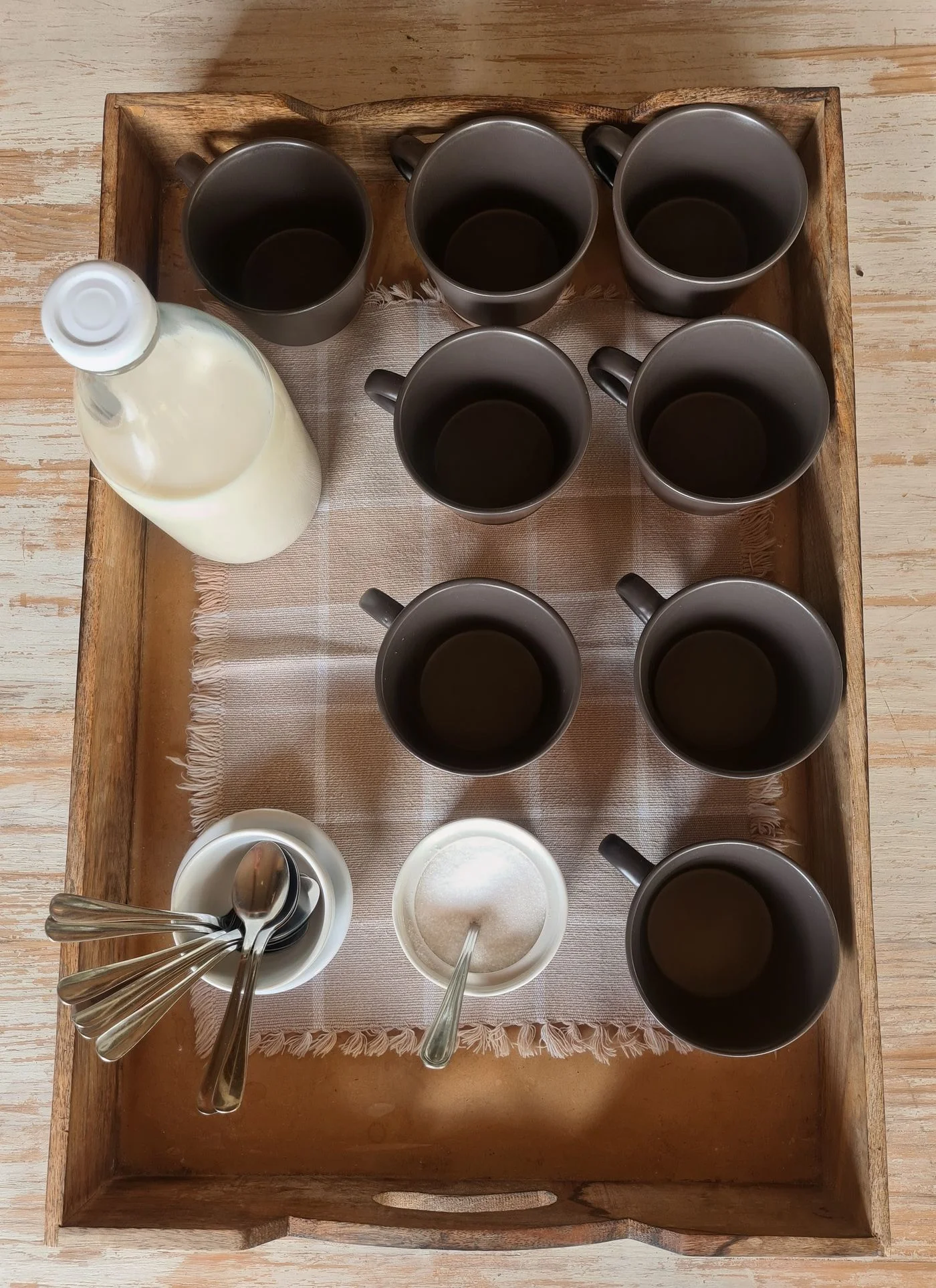
Set out the items you expect to carry, such as appropriate cups and a small plate. Measure their arrangement with enough room for stable placement. A large decorative handle or raised edge can reduce the usable area significantly.
Check the maker's intended use and load guidance. Consider the total weight with contents, not only the tray's empty weight. Several smaller trips can be the better choice when a full load is uncomfortable or involves hot liquids.
Assess the handles and base
Look at the grip shape and the space for your hands. Try appropriate handling if possible within the seller's terms. A tray without handles may suit setting out objects but be less comfortable for the carrying job you want.
Read material and surface information. Do not infer a nonslip function from a textured appearance. Arrange contents and use the tray according to its actual purpose, with appropriate care around spills, heat, and fragile items.
Include cleaning and storage
Check the exact care instructions and whether the tray suits contact with the intended items. Decorative finishes may have limitations. Keep food on suitable plates or containers unless the product is expressly intended for direct food contact.
Measure the storage position and retrieval route. A tray that fits only behind several large pans can become less useful than expected. Consider a suitable existing shelf before buying a display stand or another accessory to accommodate it.
Try a modest first use
Begin with a manageable appropriate load and a clear route. If something feels awkward, adjust the plan rather than increasing the load to prove the purchase worthwhile. The tray is a tool for the household, not a requirement to turn every drink into formal service.
Should I buy the largest size? Match the load and landing surface. Are handles essential? Assess your actual carrying needs. Can any wooden tray serve food directly? Check its specified purpose and care.
Our hosting-essentials guide limits equipment to useful roles. The tea-afternoon guide puts a tray into a realistic gathering.
Where to start browsing
These direct retailer links are a starting point for comparison. Confirm current stock, materials, dimensions, delivery and returns on the retailer's own site. Photographs show lifestyle inspiration, not a specific product being sold.
IKEA serving bowls ↗
Compare serving-bowl shapes, materials and dimensions.
Crate & Barrel cloth napkins ↗
Compare cotton and linen options, sizes and care instructions.