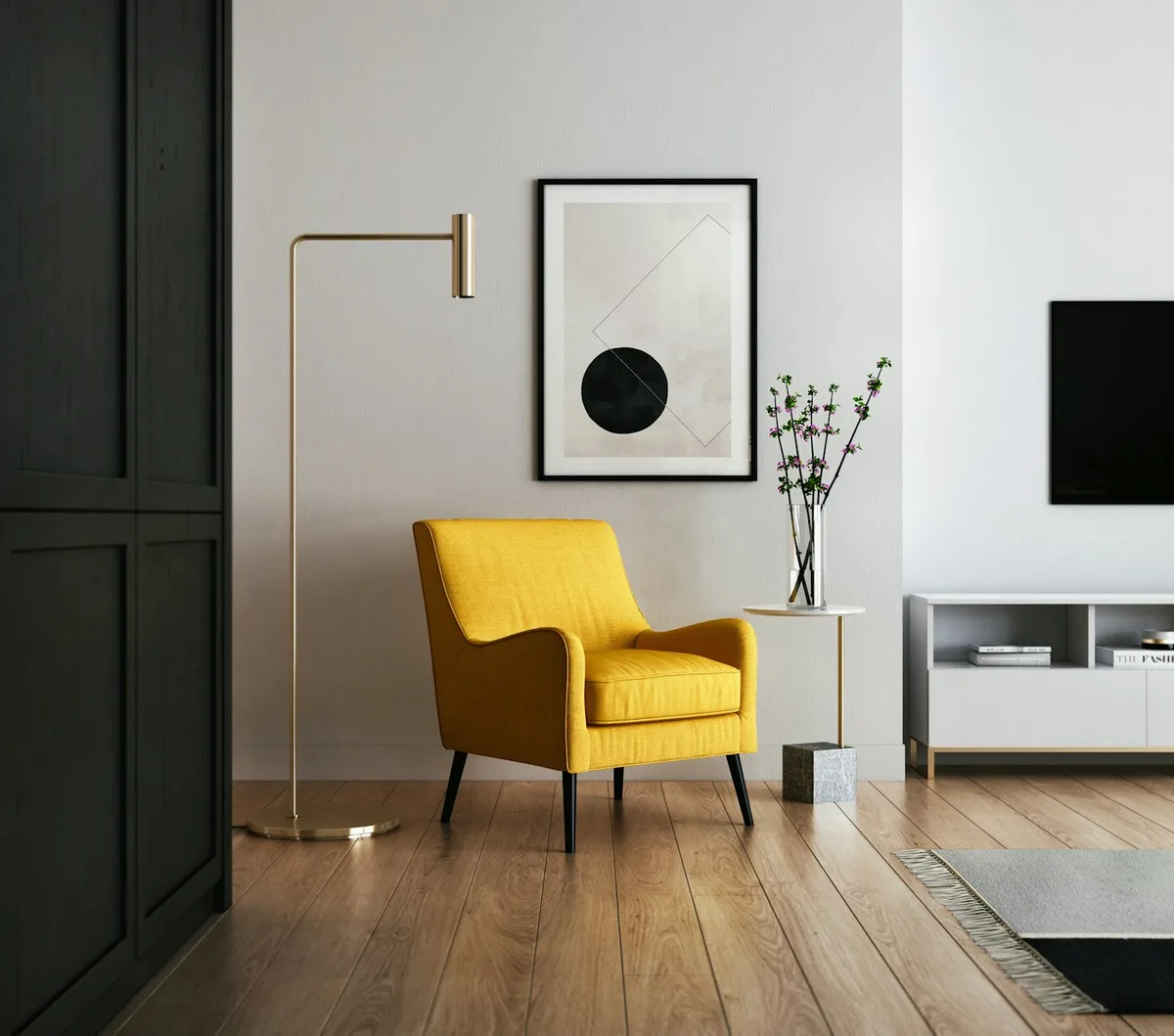
A side table should be considered from the chair it will accompany, not only from a standing view of the room. The useful relationship includes the things you want nearby, the ordinary movement of reaching and the space needed to sit down. Try that complete arrangement before choosing a table whose scale looks attractive in a photograph.
Name the objects it will hold
Choose a modest real selection such as a current book or another appropriate item for the activity. A broad promise of extra surface can encourage the table to collect unrelated belongings. Decide what needs to remain accessible and what belongs elsewhere before comparing products.
Follow the relevant product and use information for both table and contents. A decorative surface is not automatically suitable for every hot, wet, heavy or electrical object. Establish an important requirement through the actual information instead of relying on the table's appearance.
Sit in the actual chair
Use your normal position with the cushions and other items you ordinarily keep there. Notice where your arm reaches comfortably without leaning or twisting unnecessarily. A table that appears close while you stand beside the chair may feel different once you are settled.
The chair blanket guide helps include another part of the real arrangement. A blanket or cushion should not become an unexplained obstacle moved onto the table whenever you want to sit down.
Compare the dimensions deliberately
Read the product's actual measurements and identify the top, base and any projecting features. A small top does not always describe the whole footprint. Use a measured outline for an initial spatial comparison while recognizing that it cannot reproduce every property of the real table.
Keep the route into and out of the chair usable and follow relevant installation information. Do not force a table into a position that leaves an awkward movement merely because it matches a reference room. Another size, shape or appropriate location may suit the task more easily.
Try placing and retrieving an item
Where practical and safe, use the actual table and an appropriate modest object to understand the movement. Keep fragile or hot items out of an informal trial. The question is whether the surface is comfortably accessible, not whether you can balance something at the edge.
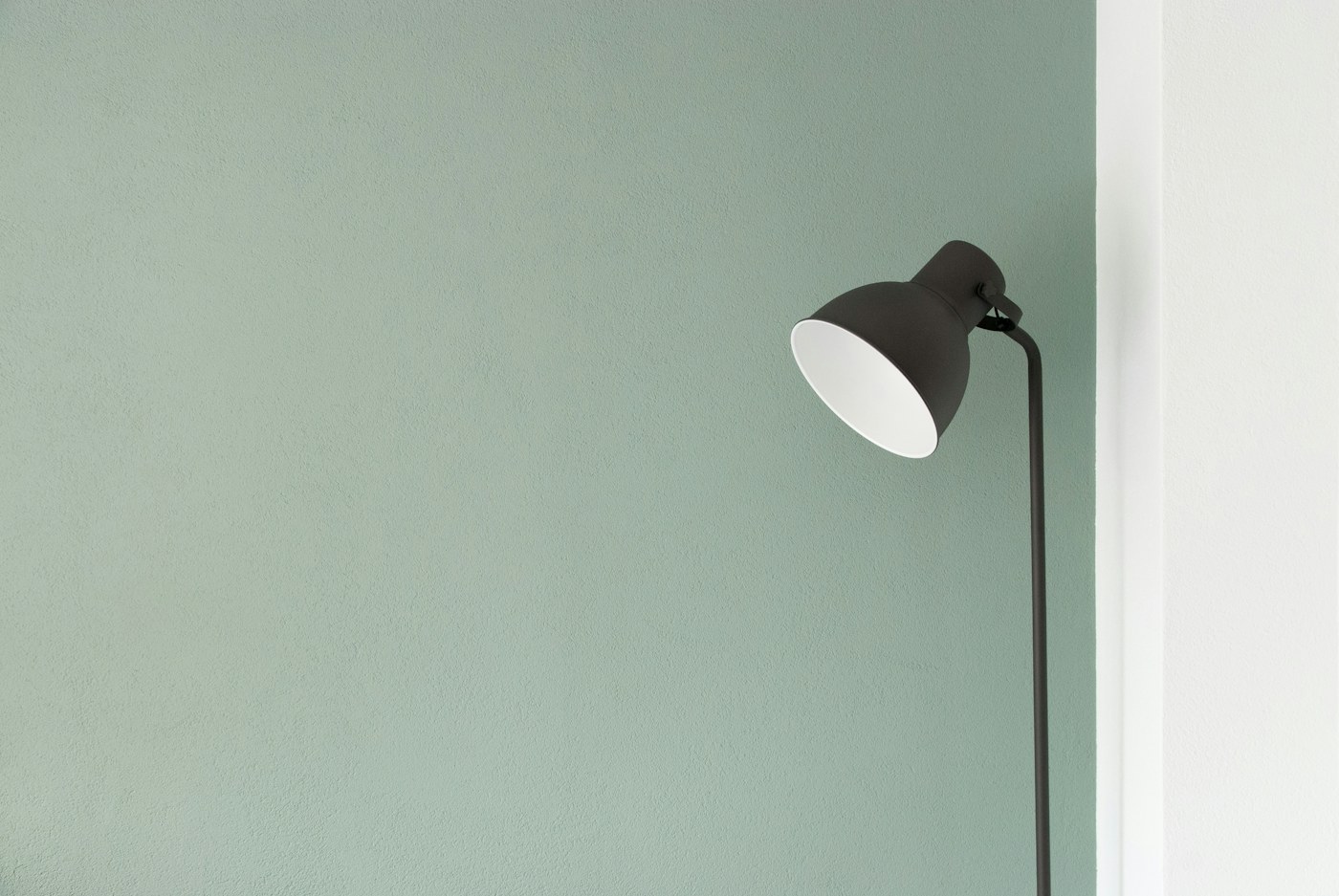
The table lamp care guide is relevant if a lamp is part of the intended setup. Lamp placement and operation need their own appropriate product arrangement; spare-looking tabletop does not settle those requirements.
Include the end of the activity
Decide where the objects go when you finish reading or leave the chair. A useful side table should not become permanent storage for items whose next action remains unclear. Keep its care routine manageable through the actual surface information.
Revisit the setup after an ordinary evening and note one concrete difficulty if there is one. The successful table works with the occupied chair and the real activity, leaving its style as a welcome part of a relationship that already feels comfortable to use.
Where to start browsing
These direct retailer links are a starting point for comparison. Confirm current stock, materials, dimensions, delivery and returns on the retailer's own site. Photographs show lifestyle inspiration, not a specific product being sold.
IKEA serving bowls ↗
Compare serving-bowl shapes, materials and dimensions.
Crate & Barrel cloth napkins ↗
Compare cotton and linen options, sizes and care instructions.