A mirror position should be chosen from the occupied room rather than a single styling angle. Reflection, privacy, comfortable use, support, and maintenance all affect the decision. Name the actual purpose before moving a fragile or heavy object, and use appropriate product and installation guidance for the complete arrangement.
Choose the user's task
Decide whether the mirror serves dressing, a suitable seated activity, or a decorative preference. Those purposes can call for different positions and dimensions. An impressive reflected window may not help the person who needs to check an outfit comfortably before leaving.
Consider actual height, reach, eyesight, and movement needs, using relevant professional guidance where appropriate. Shared use deserves a real assessment rather than an assumed standard placement that every household member must adapt to.
Look from everyday positions
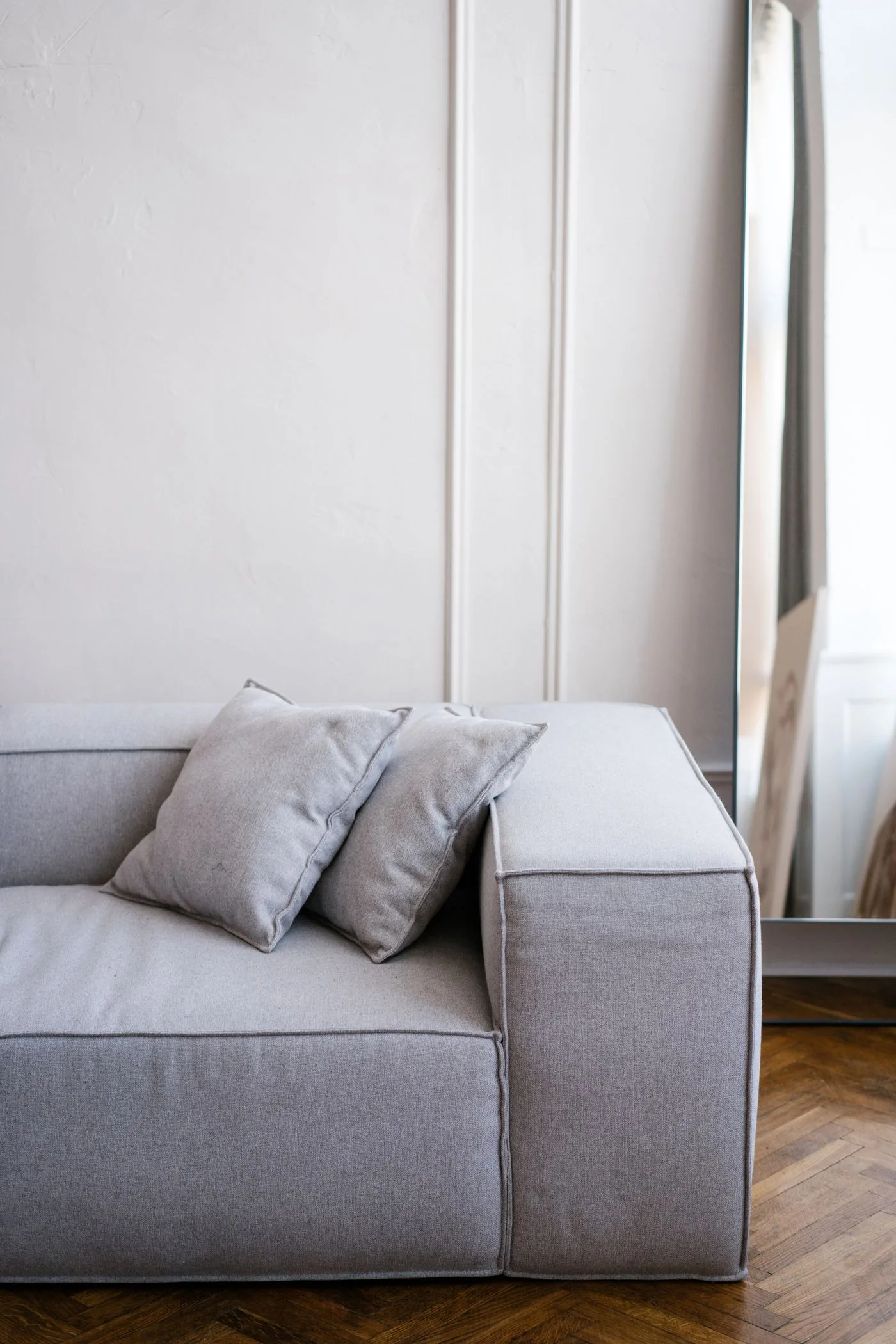
Check the proposed reflection from the sofa, doorway, or other places people actually occupy. Consider privacy, bright sources, and normal activity. A camera angle can hide a reflected private area or a distracting view that becomes obvious during ordinary use.
Keep necessary movement and equipment clearances open. A spare-looking wall is not automatically suitable for a mirror, and a decorative object should not obstruct controls or access. Test the intended sightline through a suitable planning method before installation.
Follow support requirements
Read the mirror's weight, orientation, intended mounting or standing arrangement, and installation instructions. Obtain suitable qualified help when necessary. Do not assume a hook, adhesive, or leaning position can support the item appropriately because another mirror used something similar.
Our guest-room essentials guide helps consider how another person will actually use a space. A mirror can be helpful when its access and privacy work, not only when it completes an empty-looking corner.
Include realistic care access
Follow material and manufacturer guidance for cleaning and maintenance. Choose a position that can appropriately be cared for without awkward climbing or unsuitable furniture movement. If the placement makes ordinary maintenance difficult, reconsider before making the installation permanent.
The small-home housewarming guide helps treat objects through real space and use. A mirror should enter a room with a clear purpose and suitable support, rather than become a large possession waiting for a wall to justify it.
Check the reflected view from both seated and standing positions before confirming installation. A sightline that feels appropriate at the doorway may reveal a different part of the room to someone using the sofa.
Will a bigger mirror make the room better? Size can affect the view and practical task, but it does not guarantee comfort or suitability. Compare the complete product, reflected sightlines, privacy, support, and care. A smaller appropriate mirror or another suitable position may serve the actual room more effectively than a large version chosen for a promised visual effect alone.
Where to start browsing
These direct retailer links are a starting point for comparison. Confirm current stock, materials, dimensions, delivery and returns on the retailer's own site. Photographs show lifestyle inspiration, not a specific product being sold.
IKEA serving bowls ↗
Compare serving-bowl shapes, materials and dimensions.
Crate & Barrel cloth napkins ↗
Compare cotton and linen options, sizes and care instructions.