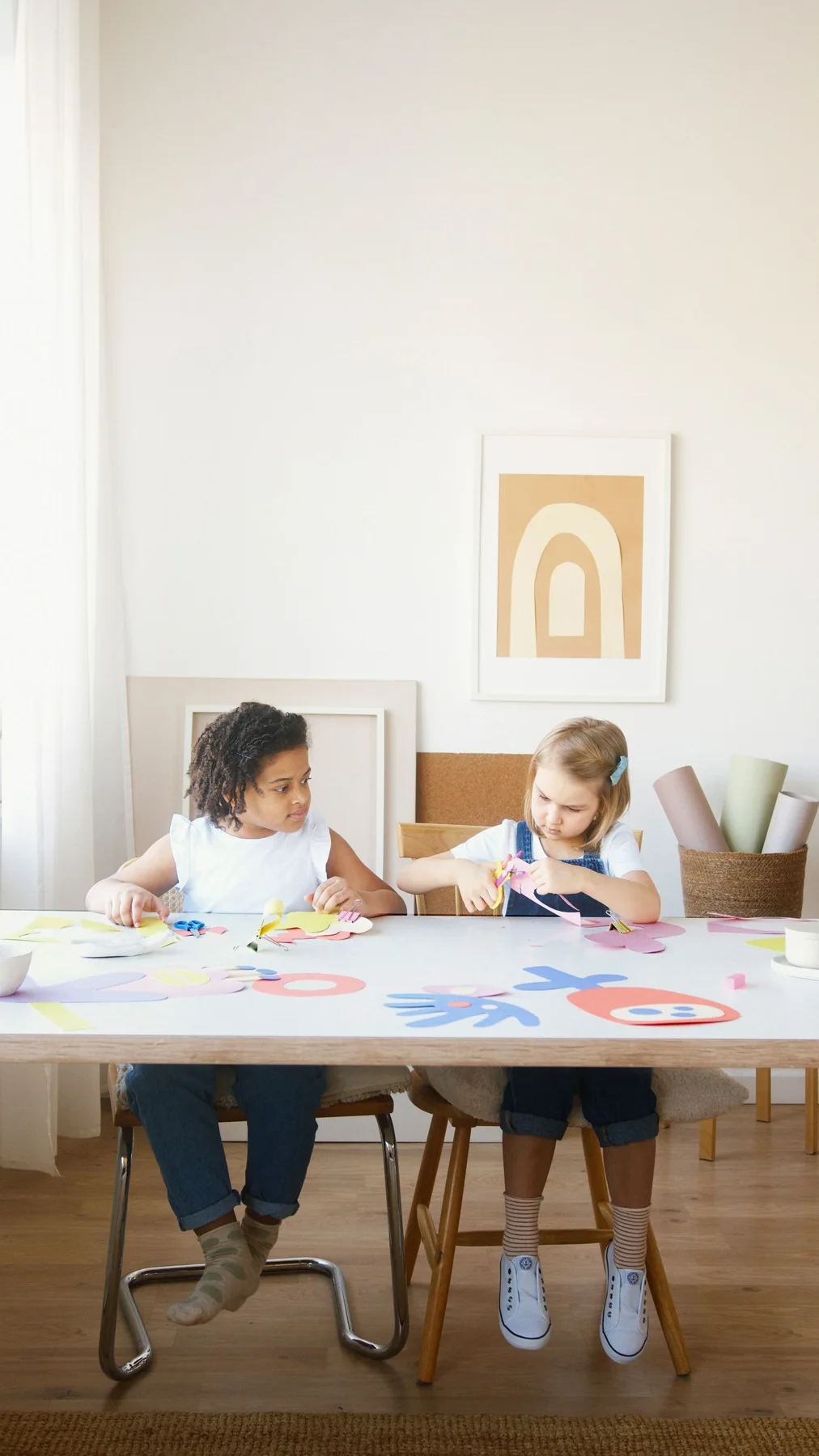
Making a gift by hand can be a generous use of time, but it does not give the maker a permanent claim on the recipient's shelf. Choose the object through a genuine welcome preference, then let its owner decide how to use or display it. The gift should offer pleasure without quietly turning the home into evidence that the effort was appreciated.
Ask about a meaningful preference
Find out whether the recipient would enjoy the kind of object you plan to make. A small conversation can establish a colour, format or practical role without requiring them to design every detail. Do not assume enjoying your hobby means wanting its results throughout their own home.
Keep the intended role clear. A decorative object, a usable household piece and a personal keepsake create different expectations. If the item has a practical function, use suitable materials and appropriate guidance rather than treating handmade as a substitute for understanding its requirements.
Describe the object honestly
Explain what you made and any relevant limits or care information you can substantiate. Do not assign a material identity, performance claim or intended use you have not established. A warm personal story should remain separate from information the recipient needs to handle the object appropriately.
The small home gift guide helps keep space part of the decision. A handmade object still needs a welcome role; its personal origin does not make storage and display questions disappear.
Give the message without a placement request
Tell the recipient the genuine connection behind the choice if you want to. Avoid naming the shelf, wall or room where you expect to see it unless they asked for that specific piece. A suggested location can feel like an instruction when it comes attached to visible effort and affection.
Keep the handover comfortable if the object is opened among others. Do not ask for an immediate promise to display it or invite the group to choose its permanent position. The recipient may need time to decide what works in their actual home.
Separate appreciation from visibility
A thank-you does not commit someone to keeping the object in public view. They may value it privately, use it seasonally or choose another appropriate role. Avoid checking its location on later visits or treating an absent display as proof that the relationship matters less.
The long-distance comfort gift guide offers another way to think about a personal gesture. Connection can come from the message and shared memory without requiring a permanent visible object to represent it.
Let future feedback guide the next gift
If the recipient expresses a different preference, listen without asking them to manage your disappointment. Their answer can help you choose a smaller object, another medium or a different kind of gesture next time. A shared conversation may be more welcome than another item.
Enjoy the making as your own creative activity and the giving as a separate act. A handmade present becomes more generous when the recipient receives not only the object, but also the ordinary freedom to decide what belongs in their home.
Where to start browsing
These direct retailer links are a starting point for comparison. Confirm current stock, materials, dimensions, delivery and returns on the retailer's own site. Photographs show lifestyle inspiration, not a specific product being sold.
Crate & Barrel cloth napkins ↗
Compare cotton and linen options, sizes and care instructions.
IKEA serveware ↗
Browse serving pieces and confirm dimensions before buying.